
Review
Fujifilm XF 16-55mm f/2.8 R LM WR II Review: APS-C's Best Standard Zoom
The redesigned 16-55 finally adds OIS and trims weight, making it the obvious choice for Fuji X shooters.
4.7
Head to head
A direct, no-fluff comparison: specs, pros and cons, pricing, and the scenarios where each one earns its keep.
| Sony FE 50mm f/1.4 GM | Sony FE 70-200mm f/2.8 GM OSS II | |
|---|---|---|
| Price (USD) | $1298 | $2798 |
| Our rating | 4.8/5 | 4.9/5 |
| Category | camera-lenses | camera-lenses |
| Pros | 4 | 3 |
| Cons | 2 | 1 |
Pros
Cons
Pros
Cons
Inferred from each camera's pros and review focus. Treat as a starting point, then read the full reviews for nuance.
It depends on what you shoot. Sony FE 50mm f/1.4 GM scores 4.8/5 in our review, while the Sony FE 70-200mm f/2.8 GM OSS II scores 4.9/5. See the spec table and use-case breakdown above for our verdict.
Sony FE 50mm f/1.4 GM sells around $1298, and Sony FE 70-200mm f/2.8 GM OSS II around $2798. The Sony FE 50mm f/1.4 GM is the cheaper of the two.
Both are capable, but beginners usually do better with whichever has the simpler interface and more forgiving autofocus. Read the "Winner by use case" section above for our specific call.
Only if the gap in features you actually use is wide. If you already own one, the marginal upgrade is rarely worth the cost unless a specific shortcoming is blocking your work.
The redesigned 16-55 finally adds OIS and trims weight, making it the obvious choice for Fuji X shooters.
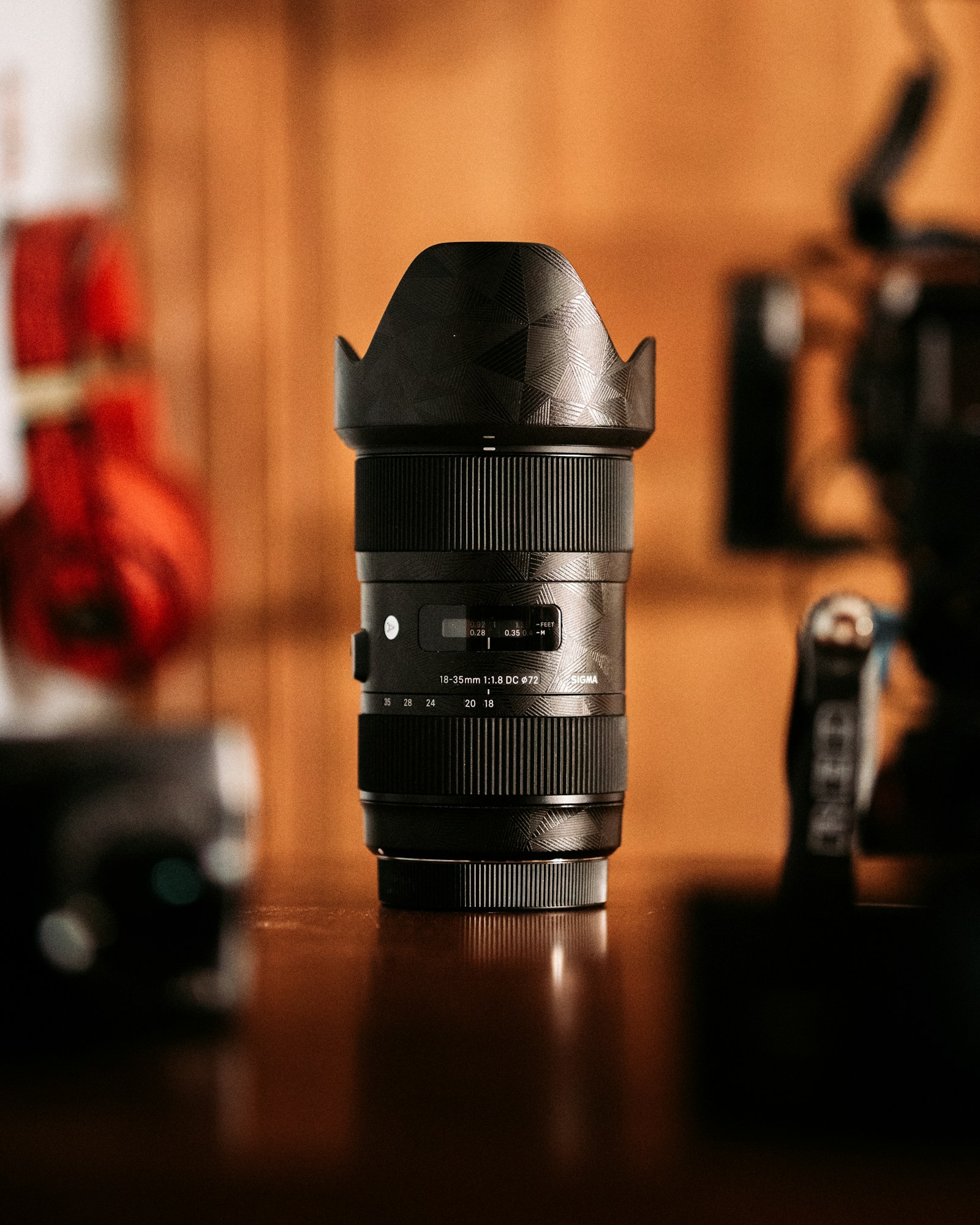
Tamron's second-gen 28-75 is the lens to beat under $1000. Fast, sharp, and shockingly light.

Sigma's Art-line redesign for mirrorless brings the 35mm classic into the modern era at a price that undercuts the first-party options.