Reader-supported reviews

The lens. The glass. The truth.

Independent, in-depth reviews of camera lenses and AR/VR optics — so you spend money on glass that earns its keep.

AR & VR Smart Lenses

Reviews and guides for AR glasses, VR headsets, optical inserts, and smart lens tech.

Explore →

Buying Guides

Curated "best of" guides to help you pick the right gear for your needs.

Explore →

Camera Accessories

Straps, bags, tripods, lights, gimbals, drones, SD cards and every cute-but-useful thing that connects to your camera or phone.

Explore →

Camera Lenses

In-depth reviews and buying guides for mirrorless and DSLR camera lenses.

Explore →

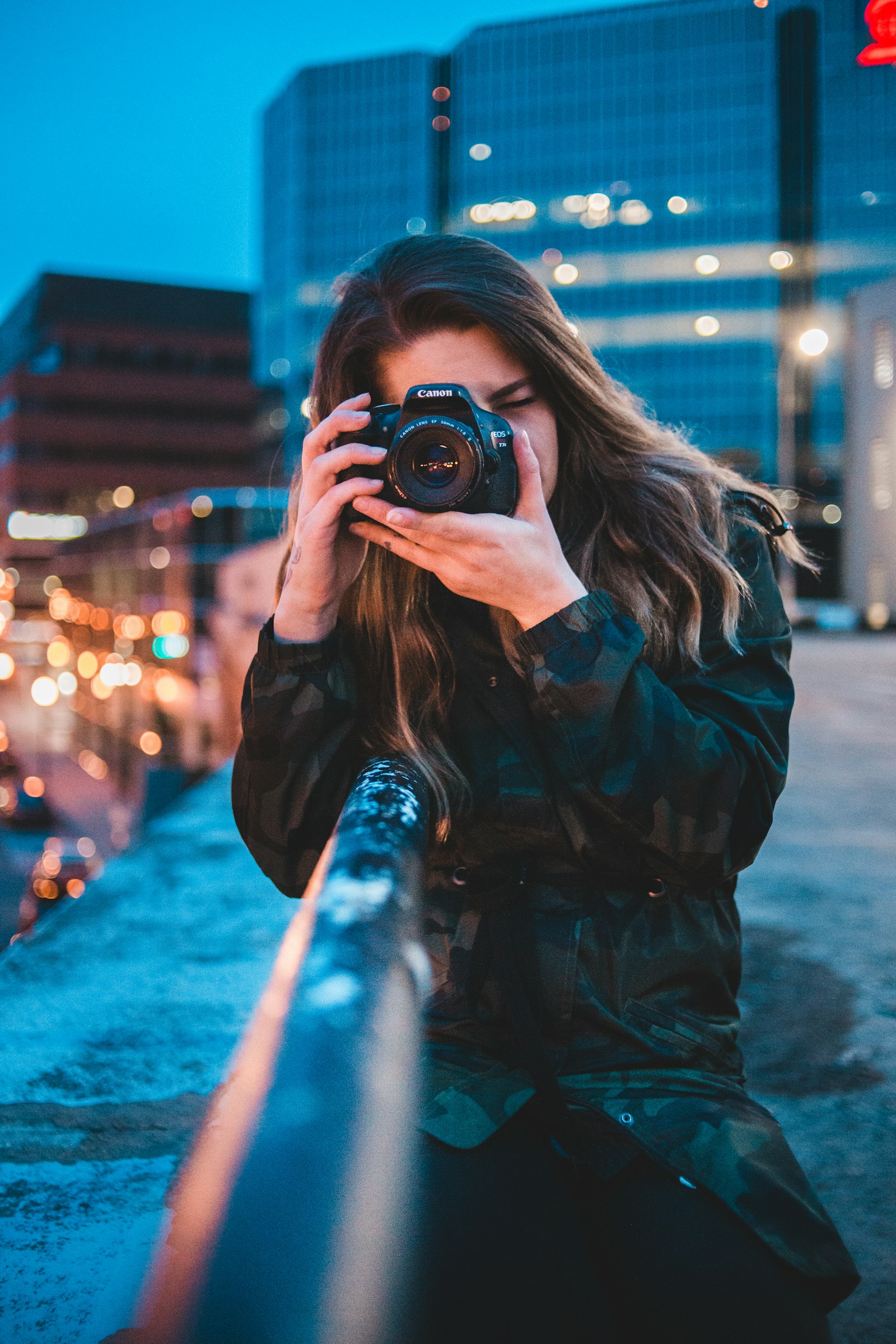
Cameras

Hands-on reviews of mirrorless, compact, action, and budget cameras — judged on image quality, ergonomics, and value.

Explore →

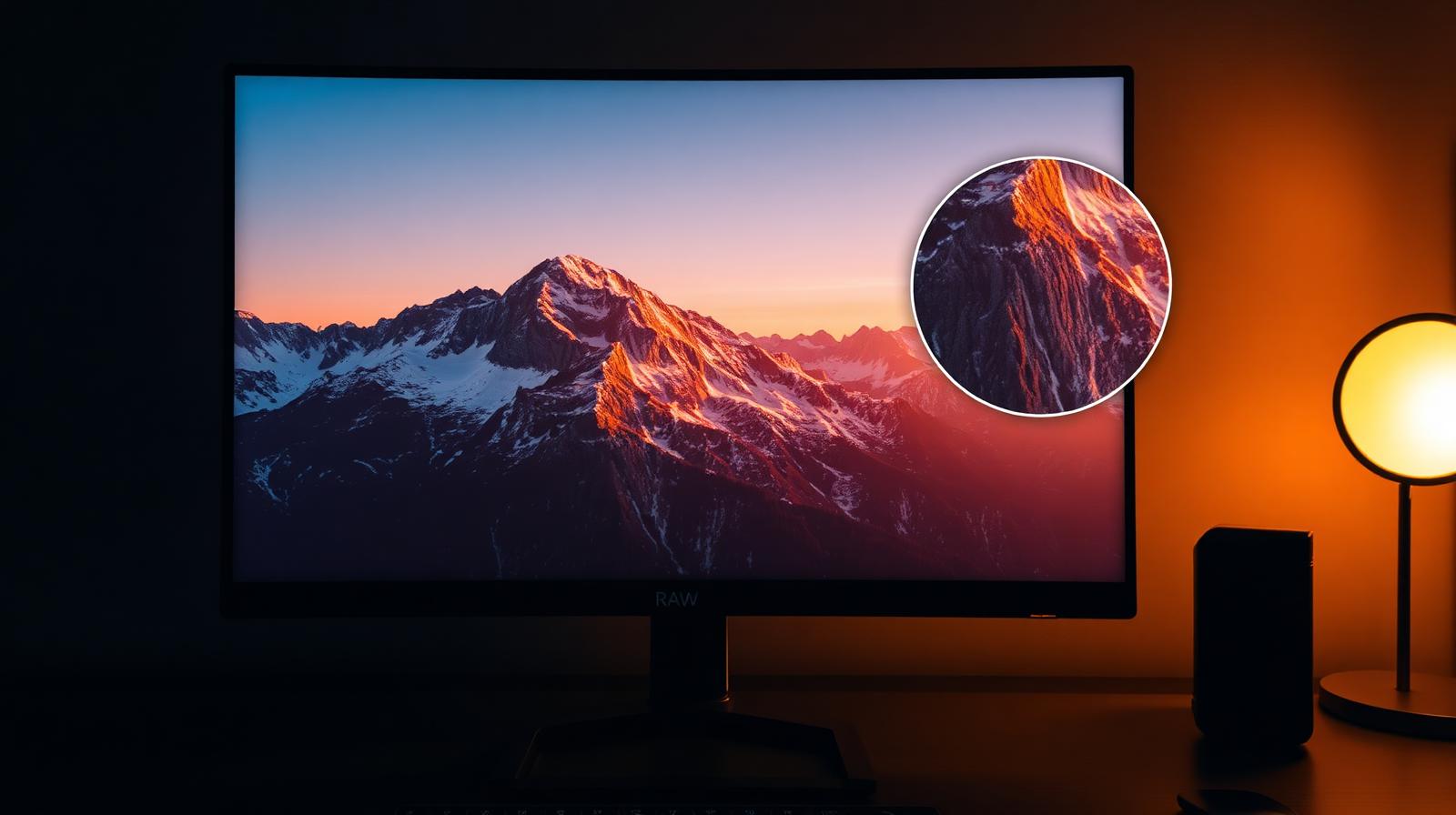
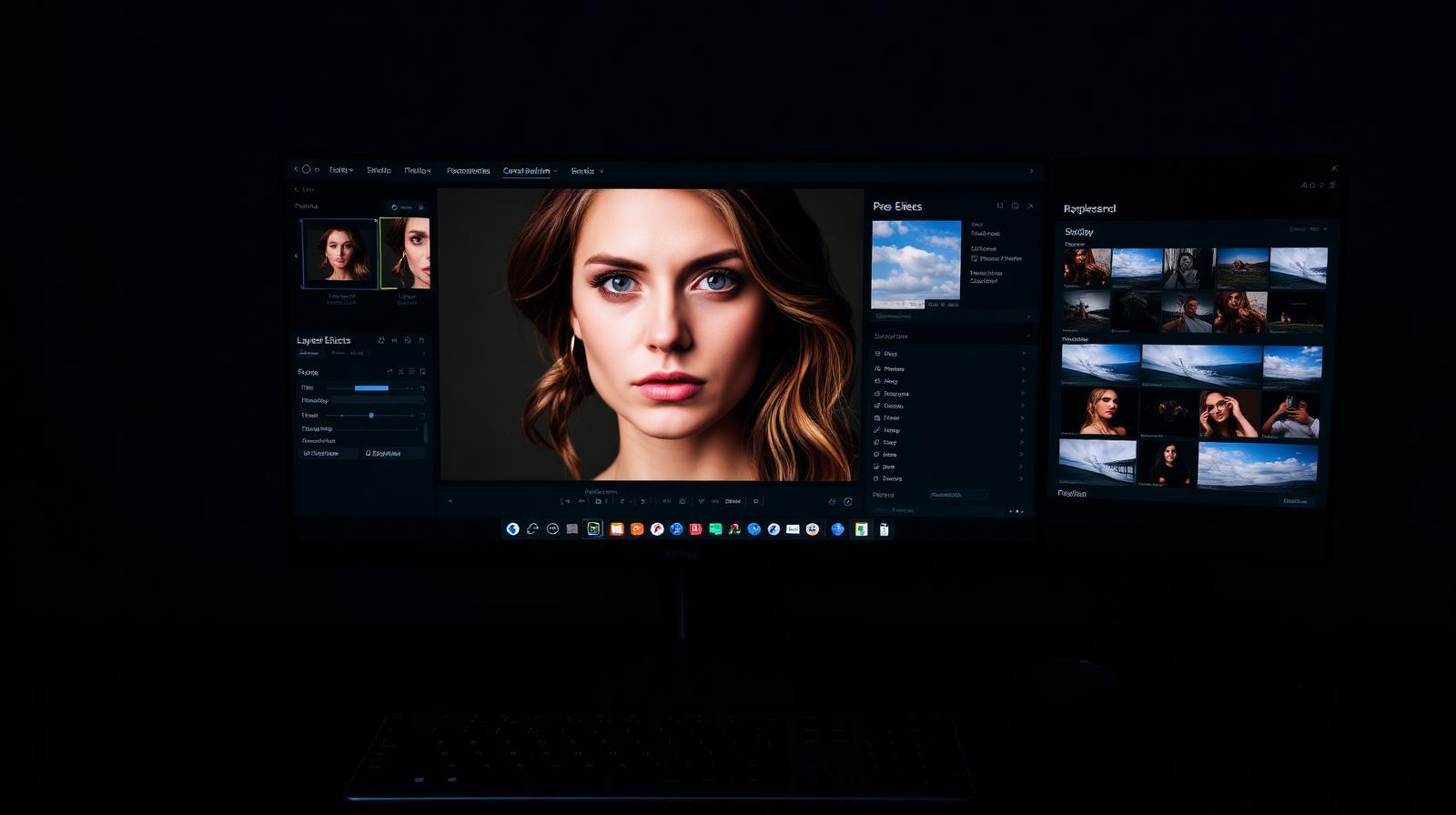
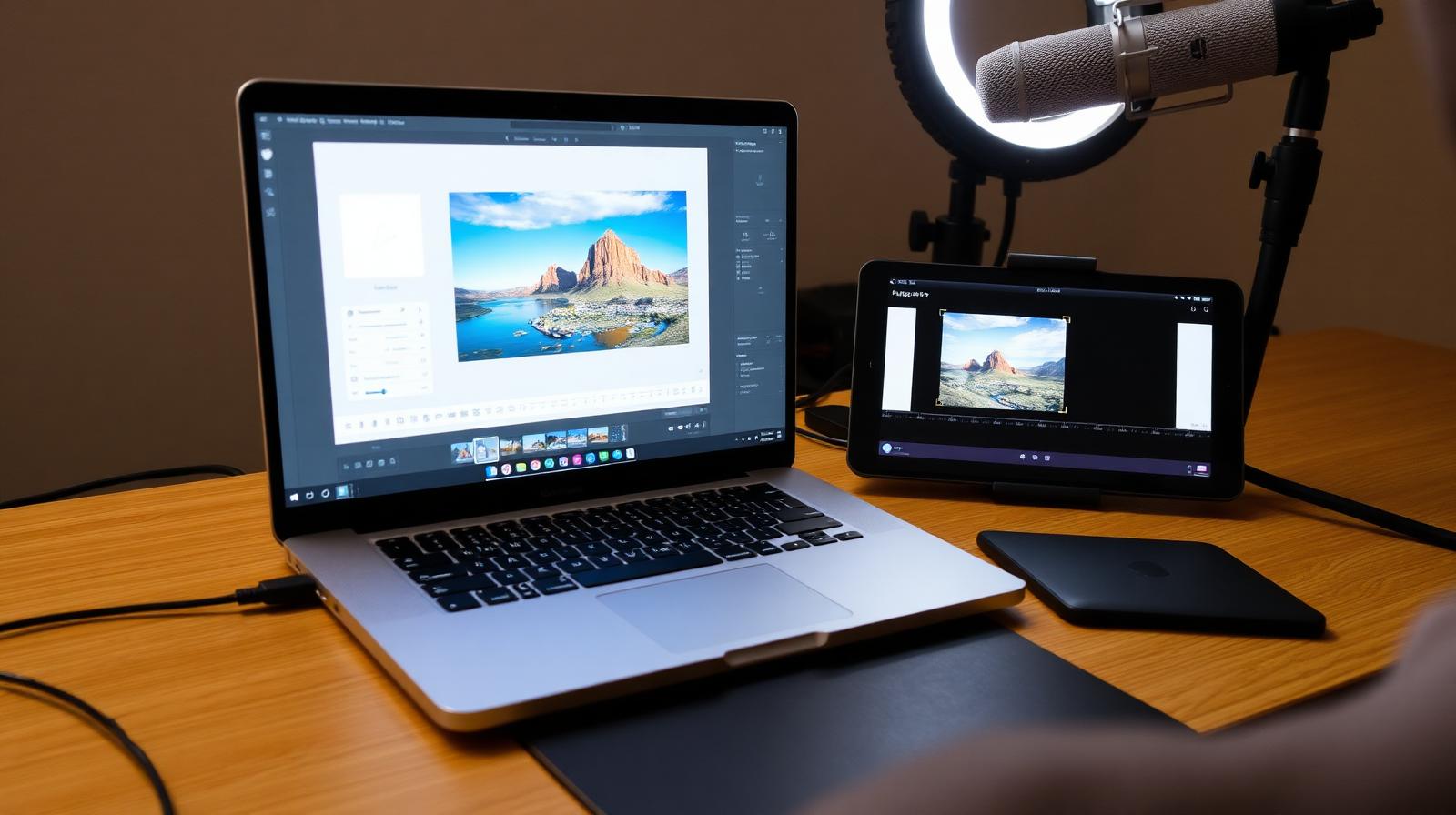
Photography Software

Editing apps, RAW processors, AI tools, and workflow software for photographers.

Explore →

Smartphone Cameras

In-depth reviews of flagship smartphones evaluated purely as cameras — sensors, optics, telephoto reach, and computational pipelines.

Explore →

Latest reviews

All reviews →

Buying guides

All guides →

Popular questions

All answers →

What is the best portrait lens focal length on a crop sensor?

Around 50-56mm on APS-C, which frames like 75-85mm on full frame. On Micro Four Thirds, aim for 42-45mm. Multiply full-frame advice by 1.5 (1.6 on Canon APS-C) or 2.0 for MFT.

85mm vs 50mm for portraits: which should you buy first?

85mm for headshots — it lets you stand back, which keeps facial proportions natural and separates the subject cleanly. 50mm is the better single-lens choice if you also shoot three-quarter length, groups or indoors where you cannot back up.

What is lens compression, and do long lenses really flatten faces?

Compression is a distance effect, not a lens effect. Long lenses make you stand further back, which shrinks the relative size difference between the nose and the ears, so the face looks flatter. Crop a wide shot to the same framing and you get the same perspective as the wide lens.

Is an f/1.2 lens worth it over f/1.8 for portraits?

For most people, no. The blur difference at portrait distances is modest, the depth of field at f/1.2 is thin enough that one eye can miss focus, and the lens is typically two to four times the price and roughly twice the weight.

Why does bokeh look different between lenses at the same aperture?

Because blur quantity and blur character are separate things. Aperture blade count and shape, spherical aberration correction, aspherical element polishing and the lens barrel all change how an out-of-focus highlight is drawn, even when the amount of blur is identical.

Pancake vs Fresnel lenses in VR headsets: what is the real difference?

Pancake lenses fold the light path so the panel sits closer to your eye, giving a wider sweet spot, sharper edges and far less glare. Fresnel lenses are brighter and cheaper for the same panel power, but blur off-axis and produce god-rays on bright content.

What is the VR sweet spot, and how does IPD affect it?

The sweet spot is the part of the lens where the image is actually in focus. It shrinks fast when the lens is not centred on your pupils, so setting interpupillary distance correctly matters more to perceived sharpness than panel resolution.

Do prescription inserts reduce field of view in VR?

Slightly, but far less than wearing glasses. Inserts add a thin lens in front of the headset optic, pushing your eye a millimetre or two back; glasses plus a spacer typically cost several millimetres and a visibly narrower view.

Get new reviews in your inbox

One email when we publish. No spam, unsubscribe anytime.