Review
DxO PureRAW & PhotoLab review: the RAW quality benchmark
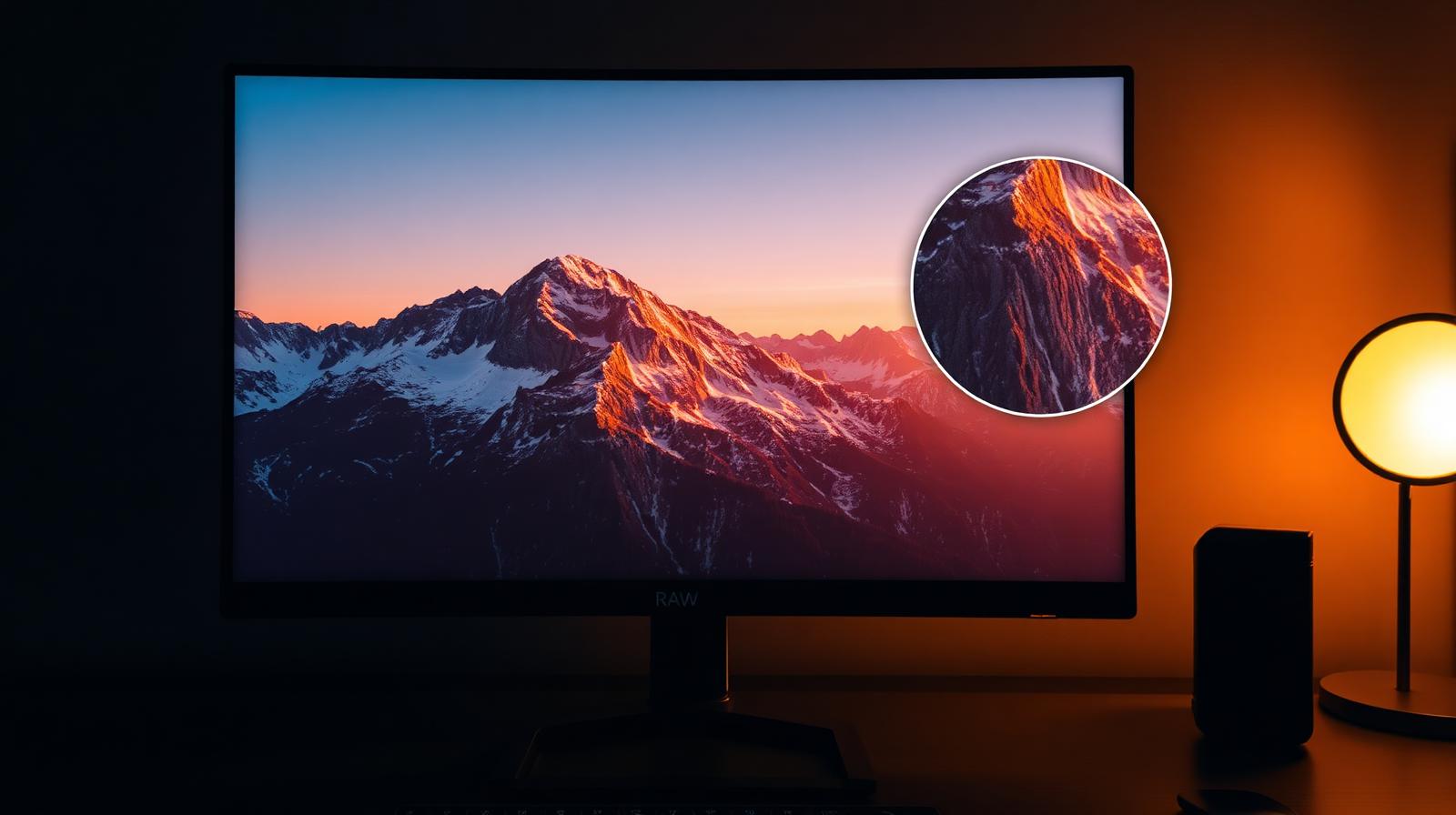
DxO's DeepPRIME XD noise reduction and lens corrections set the bar for RAW image quality. We tested PureRAW as a pre-processor and PhotoLab as a full editor.
Affiliate disclosure: Lenseland may earn a commission on purchases made through links in this article. Learn more.
What it is
DxO PureRAW and PhotoLab are two products built on the same DxO RAW pipeline. PureRAW is a focused pre-processor — drop in RAWs, get back clean, demosaiced, lens-corrected DNGs ready for Lightroom or any editor. PhotoLab is the full editor with DxO's tonal, color, and local-adjustment tools (U Point technology, licensed back from Nik).
Who it's for
PureRAW is for Lightroom and Capture One users who want the cleanest possible demosaic and noise reduction before their existing workflow takes over. PhotoLab is for photographers who want a complete RAW editor with industry-leading noise and lens correction, particularly Fuji X-Trans, Sony, and high-ISO shooters. Neither is for users who need a true catalog or heavy generative AI.
Key specs and how they compare
According to DxO's documentation, the DeepPRIME XD3 noise-reduction model (latest as of PhotoLab 8 / PureRAW 5) uses per-camera-and-lens optical modules to do demosaic, denoise, and lens correction in a single pass — DxO has measured over 80,000 camera+lens combinations. Competing tools: Topaz Photo AI (broader scope including upscaling, comparable noise floor), Lightroom AI Denoise (free with subscription, slower and less aggressive), Capture One (no AI denoise of comparable strength).
What reviewers and buyers are saying
Published reviews from photography publications and lab-style test channels converge on a consistent finding: DeepPRIME XD3 sets the benchmark for noise reduction with detail preservation, particularly above ISO 6400. Buyers report Fuji X-Trans rendering is finally cleaner than Lightroom's, and that running RAWs through PureRAW before any other edit changes what is recoverable from underexposed files. The main complaint is processing time: a single image can take 10–30 seconds even on a fast GPU.
Value for the price
PureRAW 5 retails around $129 perpetual; PhotoLab 8 Elite around $229 perpetual. Compared with Topaz Photo AI ($199 perpetual, broader feature set) and Adobe's free-with-subscription Denoise, DxO is the choice when image quality is the top priority and a subscription is not on the table. Industry consensus indicates PureRAW is the easiest add-on to recommend for Lightroom users; PhotoLab is the harder sell unless lens corrections and color tools matter enough to replace the existing editor.
What we love
- ✓Best-in-class RAW noise reduction
- ✓Measured lens corrections
- ✓Clean Lightroom round-trip
Where it falls short
- –Slow without a strong GPU
- –No catalog/DAM features
FAQ
PureRAW or PhotoLab?
PureRAW if you live in Lightroom and just want the DxO image quality. PhotoLab if you want a standalone editor with local adjustments.
Is DeepPRIME XD worth the upgrade?
For high-ISO shooters, yes — it preserves detail far better than DeepPRIME or any in-Lightroom denoise.
Like this review?
Get the next one in your inbox.
Keep reading

DJI Osmo Pocket 4P Review: The Dual-Lens Pocket Gimbal That Skips the US
The Osmo Pocket 4P is worth buying in 2026 if you shoot handheld video and live outside the United States. It is the first Osmo Pocket with two lenses — a 1-inch wide camera and a 60mm f/1.8 telephoto — on a three-axis gimbal in a 230g body, and it runs around $700 (£529 / €599). US buyers face a real problem: DJI does not sell it there, so American listings are imports at inflated prices.
ON1 Photo RAW review: a true Lightroom alternative with a lifetime license
ON1 Photo RAW bundles a RAW editor, catalog, AI masking, effects, and resize into one app — with a one-time purchase option Adobe will never offer.
CyberLink PhotoDirector & Director Suite review: AI-first creative editor
PhotoDirector pairs RAW editing with generative AI, animated effects, and video tools. The Director Suite bundles it with PowerDirector, AudioDirector, and ColorDirector.