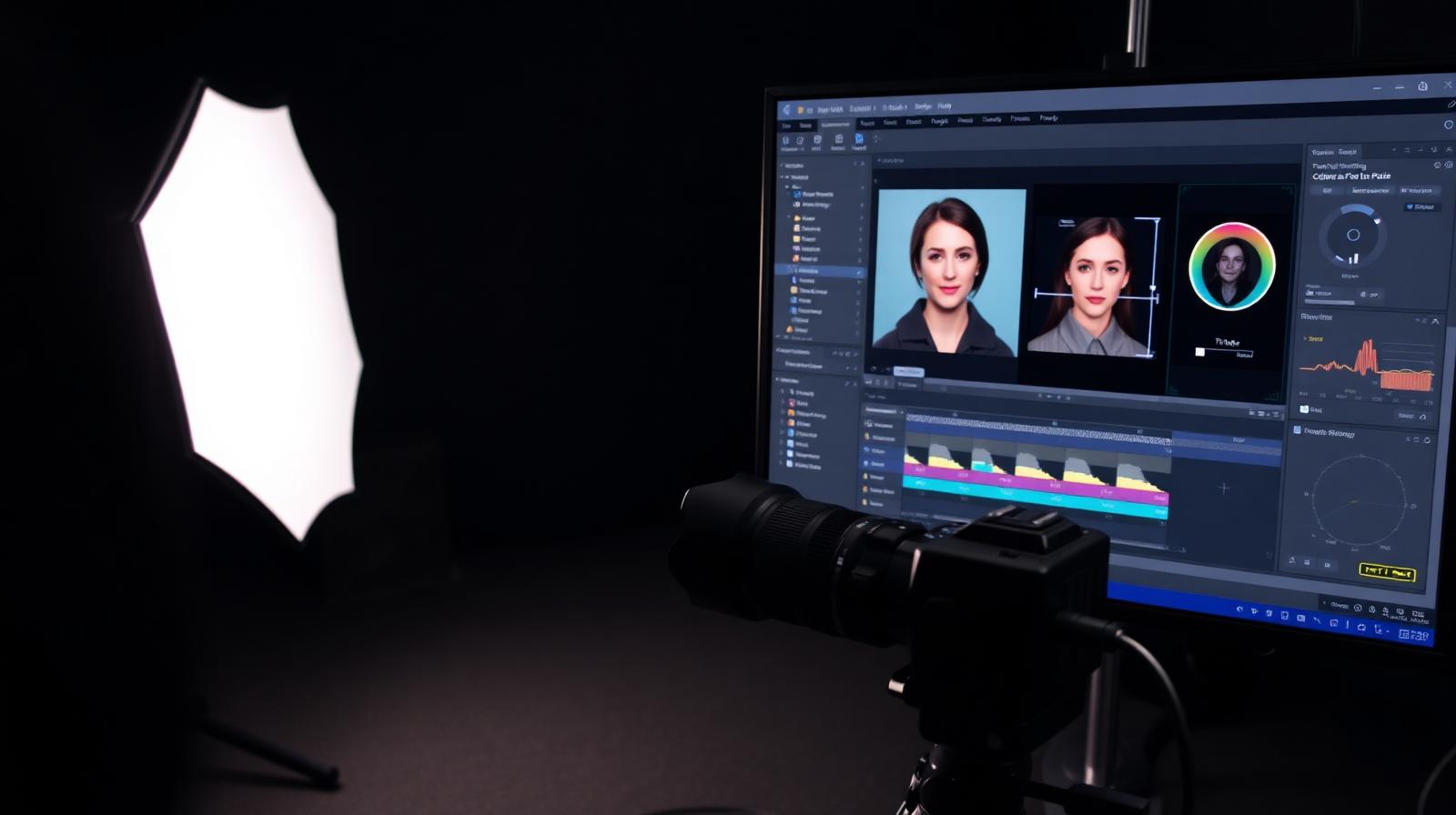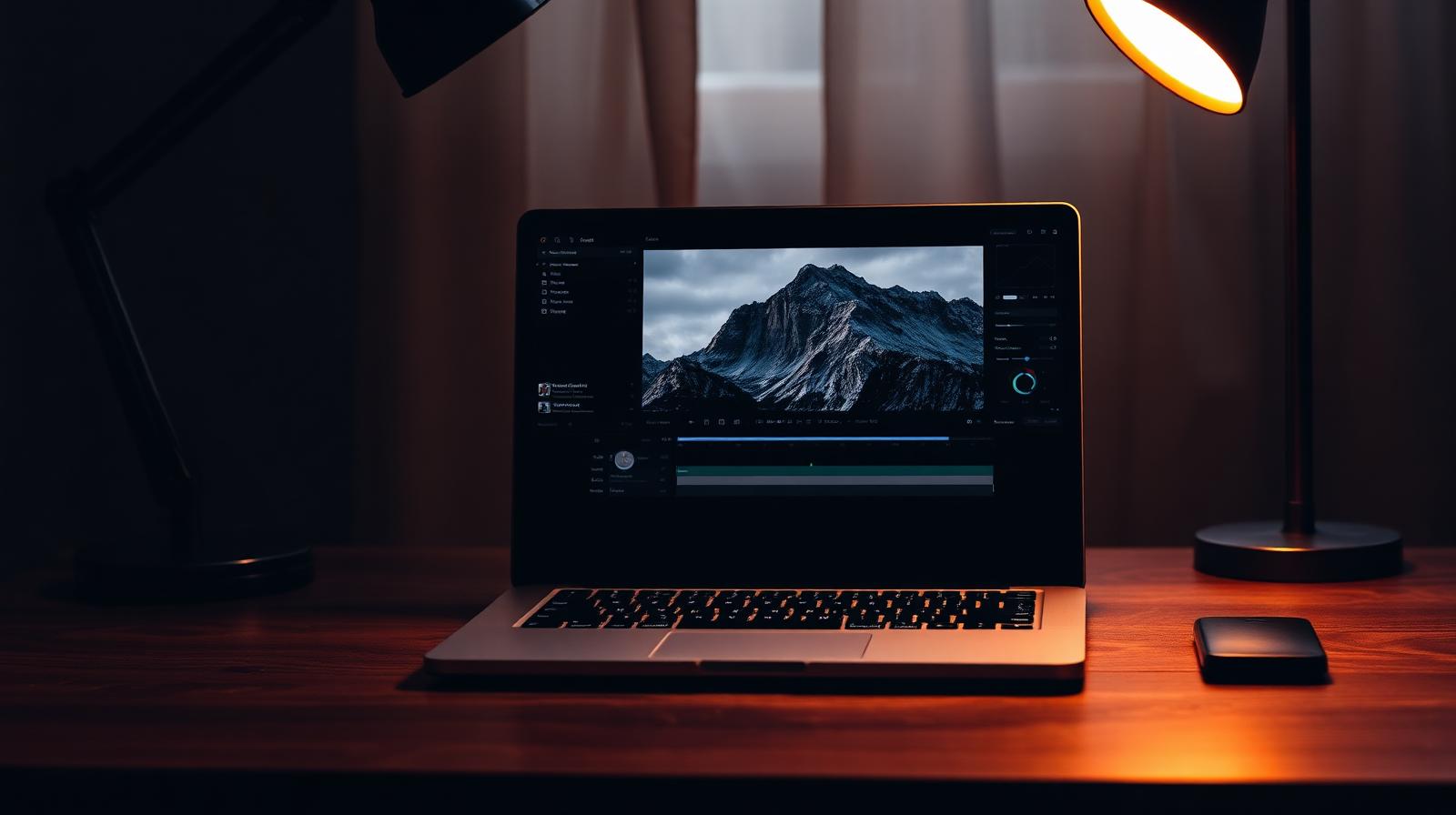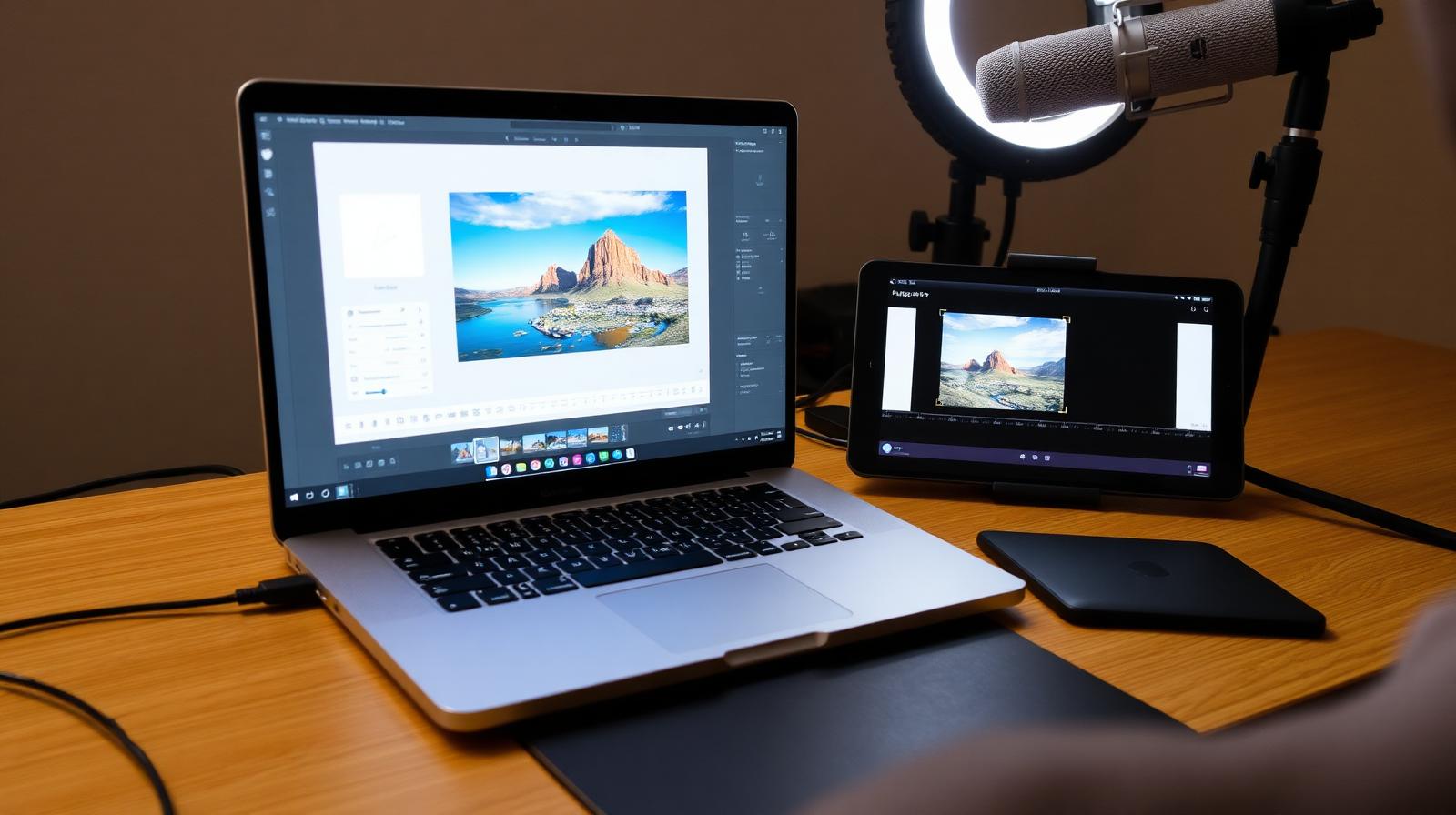
CyberLink PhotoDirector & Director Suite review: AI-first creative editor
PhotoDirector pairs RAW editing with generative AI, animated effects, and video tools. The Director Suite bundles it with PowerDirector, AudioDirector, and ColorDirector.
New section
The new era of computational photography — AI autofocus, subject detection, and smart processing reviewed honestly so you buy the right tool.

PhotoDirector pairs RAW editing with generative AI, animated effects, and video tools. The Director Suite bundles it with PowerDirector, AudioDirector, and ColorDirector.

ON1 Photo RAW bundles a RAW editor, catalog, AI masking, effects, and resize into one app — with a one-time purchase option Adobe will never offer.

Luminar Neo from Skylum keeps doubling down on AI extensions — Generative Replace, Upscale, Noiseless, and a redesigned Mask AI. We tested it as a Lightroom alternative and as a plugin.

Lightroom Classic, Lightroom, Photoshop, and 20GB of cloud storage for $9.99/month. We tested whether it's still the right starting point in 2026.
Samsung's dual-telephoto strategy — 3x and 5x prime focal lengths — plus a 200MP main sensor make the S25 Ultra the most versatile zoom phone you can buy.

Topaz Photo AI bundles three of the best AI image tools into one $199 perpetual app. It's slower than Lightroom's built-in Denoise, but the recovery from genuinely broken files is still unmatched.

HoneyBook handles inquiries, contracts, invoices, and payments in one place — and the workflow automations are friendlier than Dubsado's. We tested it on a full booking cycle.
Co-engineered with Leica, the 14 Ultra's 1-inch main sensor and stepless variable aperture deliver image quality that's genuinely closer to a compact camera than a phone.

Capture One still has the best tethered shooting, the cleanest color science, and a perpetual license option. The catalog is fiddlier than Lightroom's and the AI tools lag — but for studio work, nothing else comes close.

ColorCinch is a free-to-start online editor with surprisingly good AI cutouts, filters, and a non-destructive layer system. We tested it for casual and social work.
Smaller sensors, smarter software. The Pixel 9 Pro's computational pipeline extracts more detail per pixel than any flagship — and Magic Editor is genuinely useful, not gimmicky.

Mylio syncs your entire photo library across phone, laptop, and NAS without cloud lock-in. We tested it across 180,000 images.

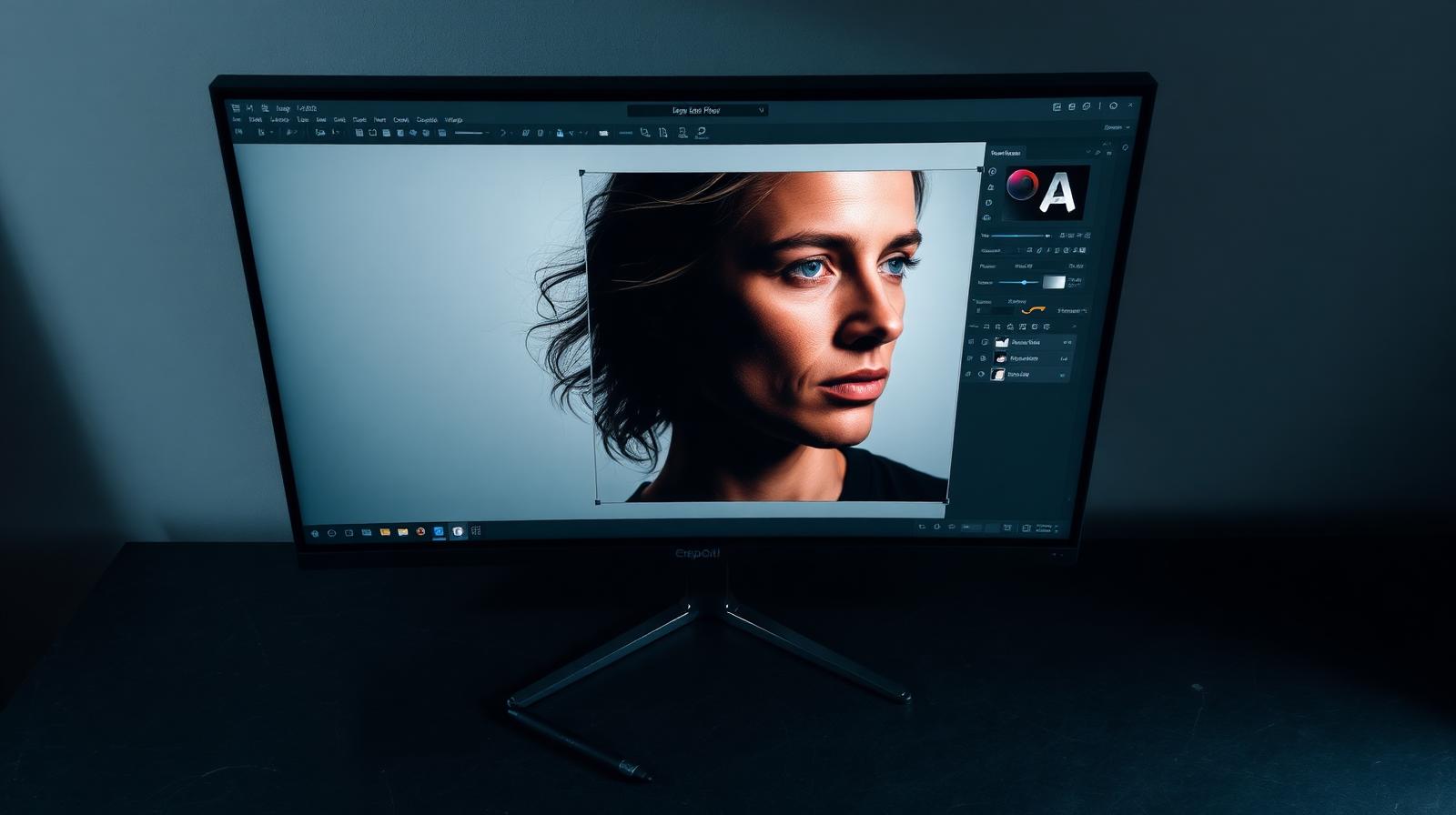
Generative Fill went from gimmick to daily tool in this release. Photoshop is still the heaviest, most expensive option — and still the only one that does everything.

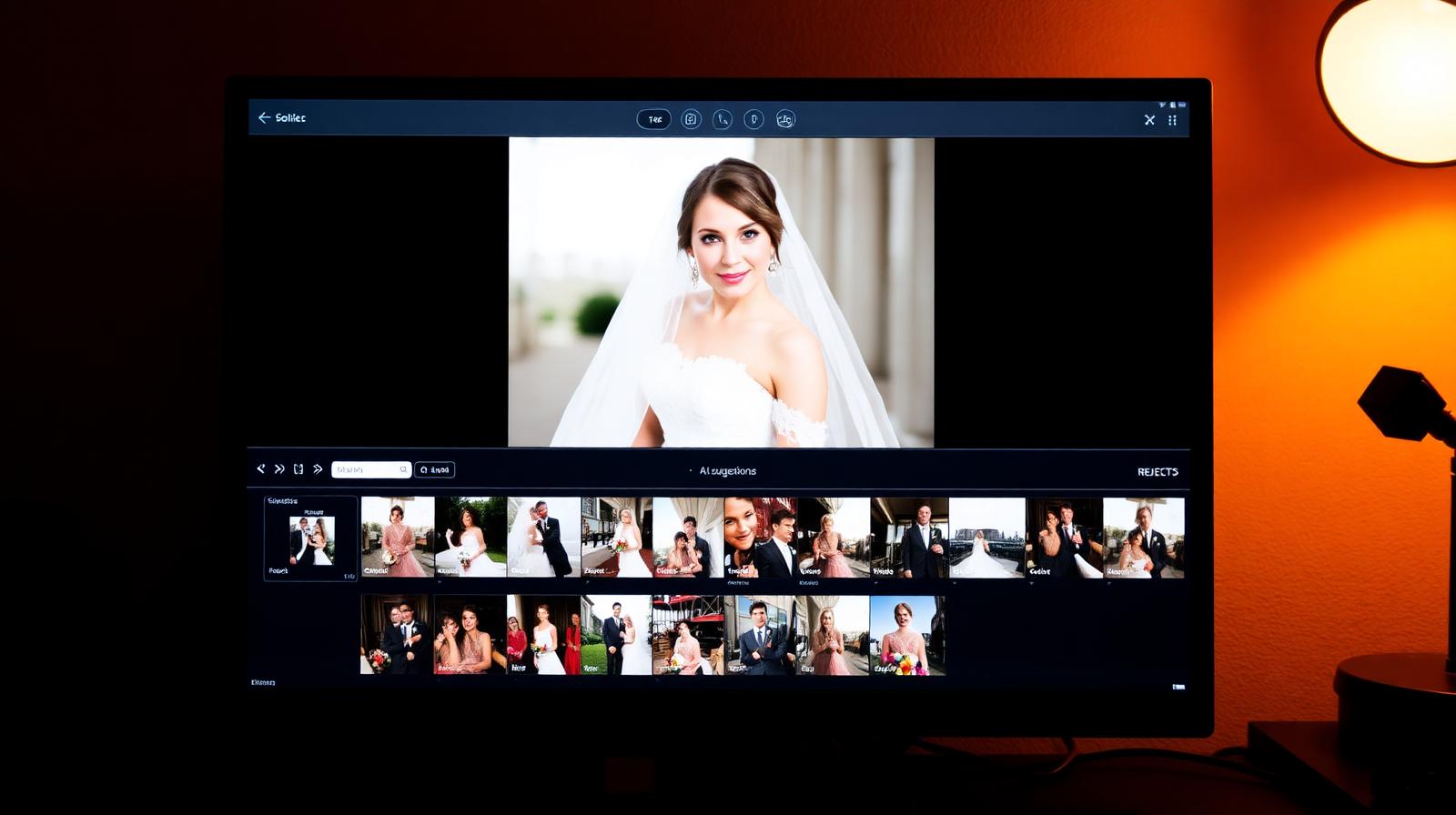
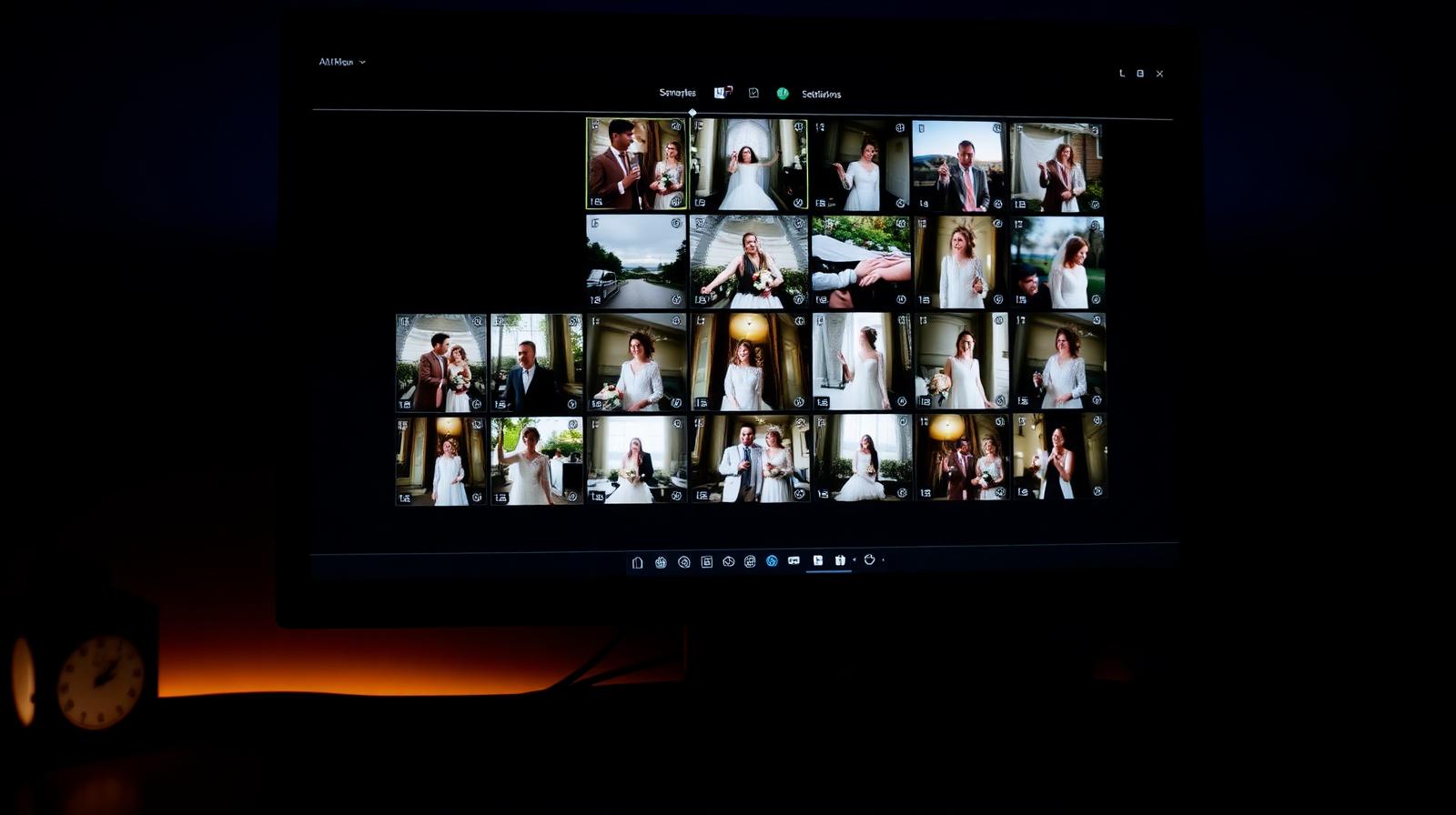
Aftershoot culls 3,000 wedding files in under 20 minutes, picks the keepers, and now edits too. We tested Cull, Edit, and Workflow modules.

Imagen learns your edit style from a few thousand of your own photos and applies it to entire weddings in minutes. We tested it on three real catalogs.

After a year of daily use across 80,000+ images, Lightroom Classic remains the most complete RAW workflow on the market — but the subscription math gets harder every year.
Sigma's Art-line redesign for mirrorless brings the 35mm classic into the modern era at a price that undercuts the first-party options.
Sony's 33MP hybrid full-frame is the most balanced camera in its class — strong autofocus, real 4K60, and pro-grade ergonomics.
40MP, IBIS, and tactile dials in a camera small enough to take everywhere. The X-T5 is the photographer's photography camera.
Lightroom Classic is still the default — but Capture One, Affinity Photo, and DxO PhotoLab all have a real case in 2026. Here's how to pick.
The three biggest names in consumer smart glasses go head-to-head. Which is best for you?
Mojo Vision is gone, but the smart contact lens dream isn't dead. Here's where the technology actually stands today.
New to AR? This is the only buying guide you need. We cover formats, brands, prices, and what to actually buy in 2026.
Modern cameras — from mirrorless bodies to flagship smartphones — increasingly rely on on-device AI to nail focus, denoise low-light shots, and stitch together frames that would have been impossible a generation ago.
We test these features the way you'd actually use them: tracking a kid on a bike, shooting concerts in the dark, or vlogging hands-free. No spec-sheet worship — just whether the smart features earn their price.
One email when we publish. No spam.