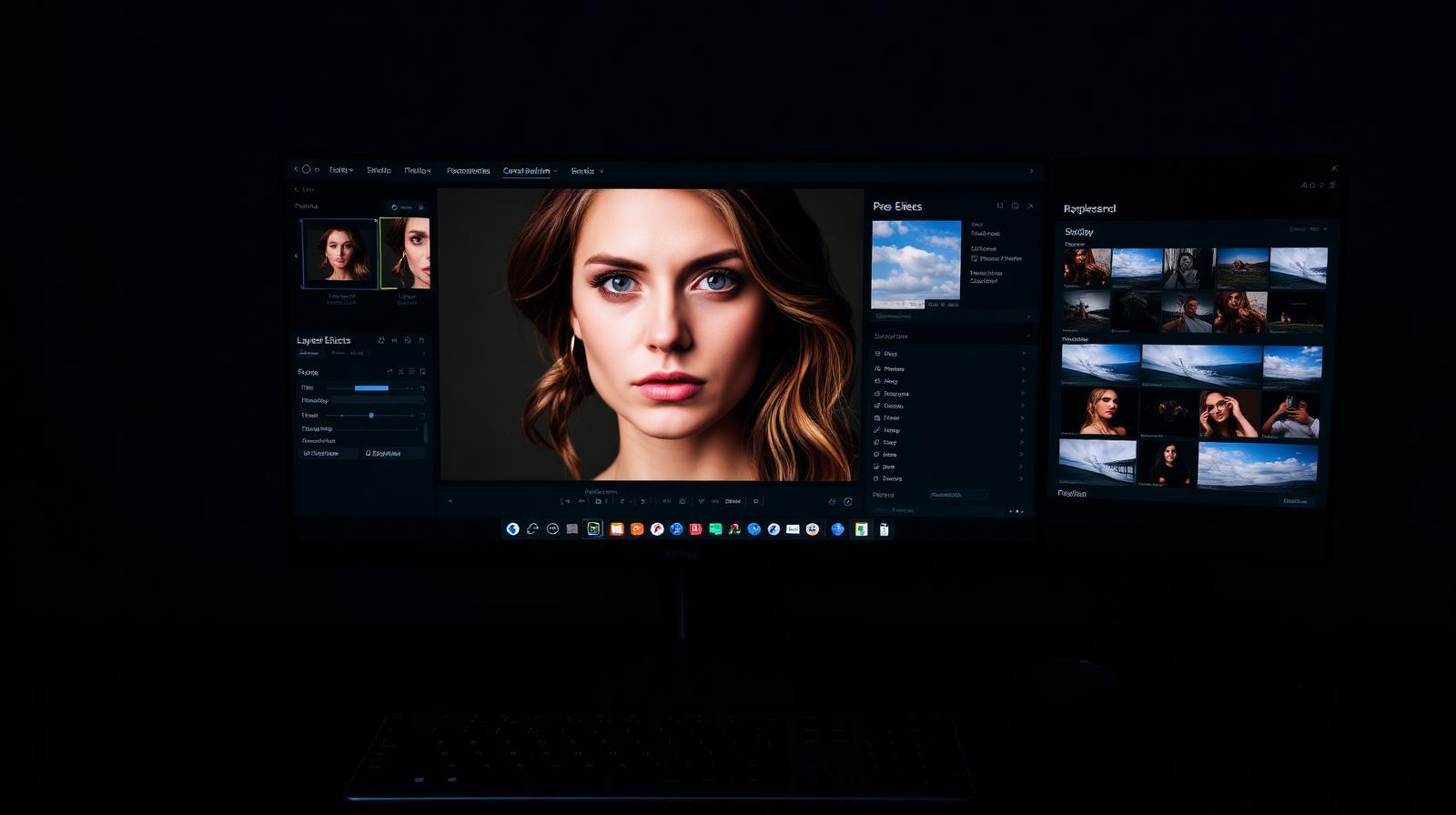
Review
ON1 Photo RAW review: a true Lightroom alternative with a lifetime license
ON1 Photo RAW bundles a RAW editor, catalog, AI masking, effects, and resize into one app — with a one-time purchase option Adobe will never offer.
4.2
Head to head
A direct, no-fluff comparison: specs, pros and cons, pricing, and the scenarios where each one earns its keep.
| DxO PureRAW 4 / PhotoLab 8 | Luminar Neo | |
|---|---|---|
| Price (USD) | $139 | $99 |
| Our rating | 4.6/5 | 4.2/5 |
| Category | software | software |
| Pros | 3 | 3 |
| Cons | 2 | 2 |
Pros
Cons
Pros
Cons
Inferred from each camera's pros and review focus. Treat as a starting point, then read the full reviews for nuance.
It depends on what you shoot. DxO PureRAW 4 / PhotoLab 8 scores 4.6/5 in our review, while the Luminar Neo scores 4.2/5. See the spec table and use-case breakdown above for our verdict.
DxO PureRAW 4 / PhotoLab 8 sells around $139, and Luminar Neo around $99. The Luminar Neo is the cheaper of the two.
Both are capable, but beginners usually do better with whichever has the simpler interface and more forgiving autofocus. Read the "Winner by use case" section above for our specific call.
Only if the gap in features you actually use is wide. If you already own one, the marginal upgrade is rarely worth the cost unless a specific shortcoming is blocking your work.
ON1 Photo RAW bundles a RAW editor, catalog, AI masking, effects, and resize into one app — with a one-time purchase option Adobe will never offer.
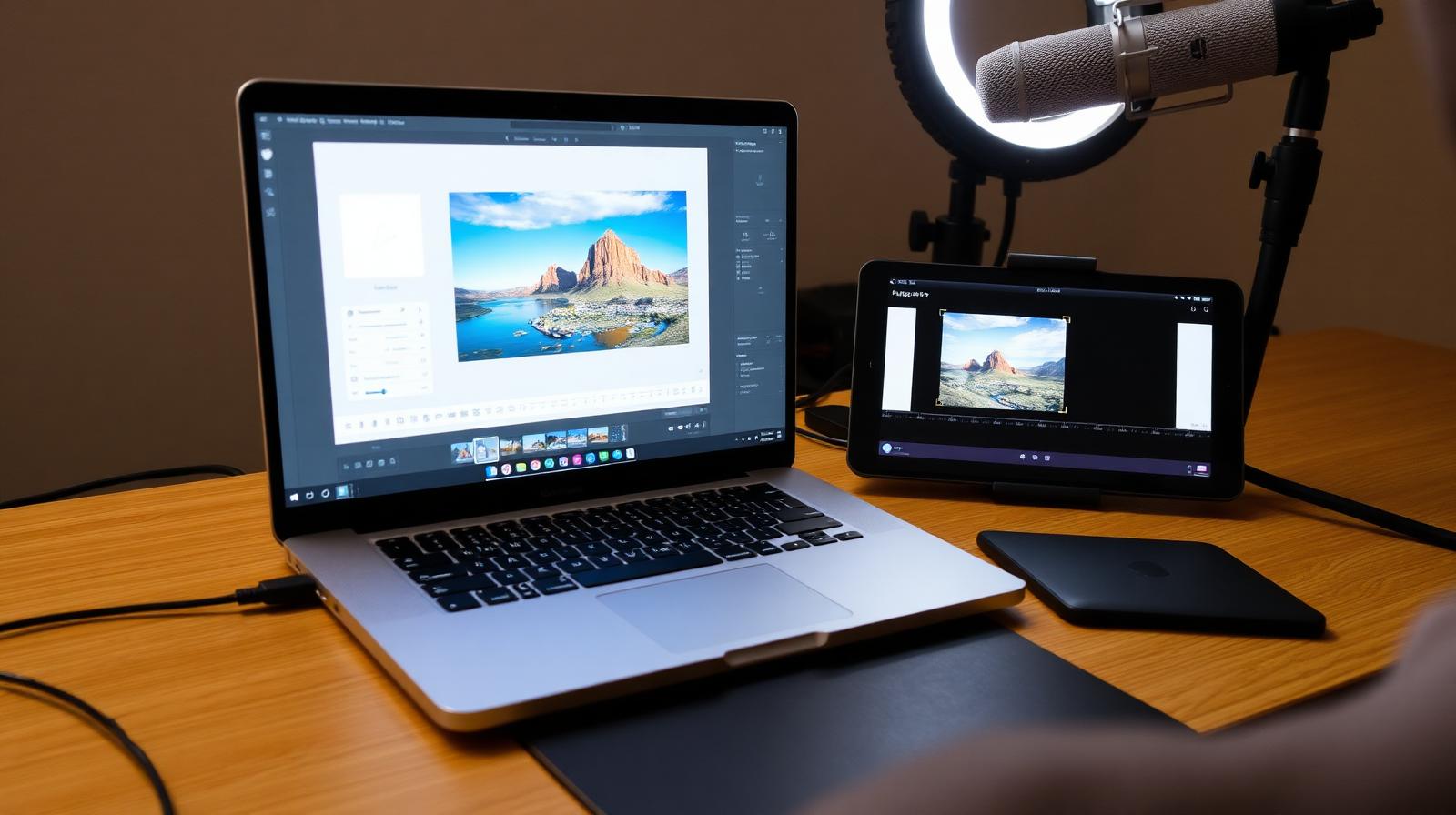
PhotoDirector pairs RAW editing with generative AI, animated effects, and video tools. The Director Suite bundles it with PowerDirector, AudioDirector, and ColorDirector.
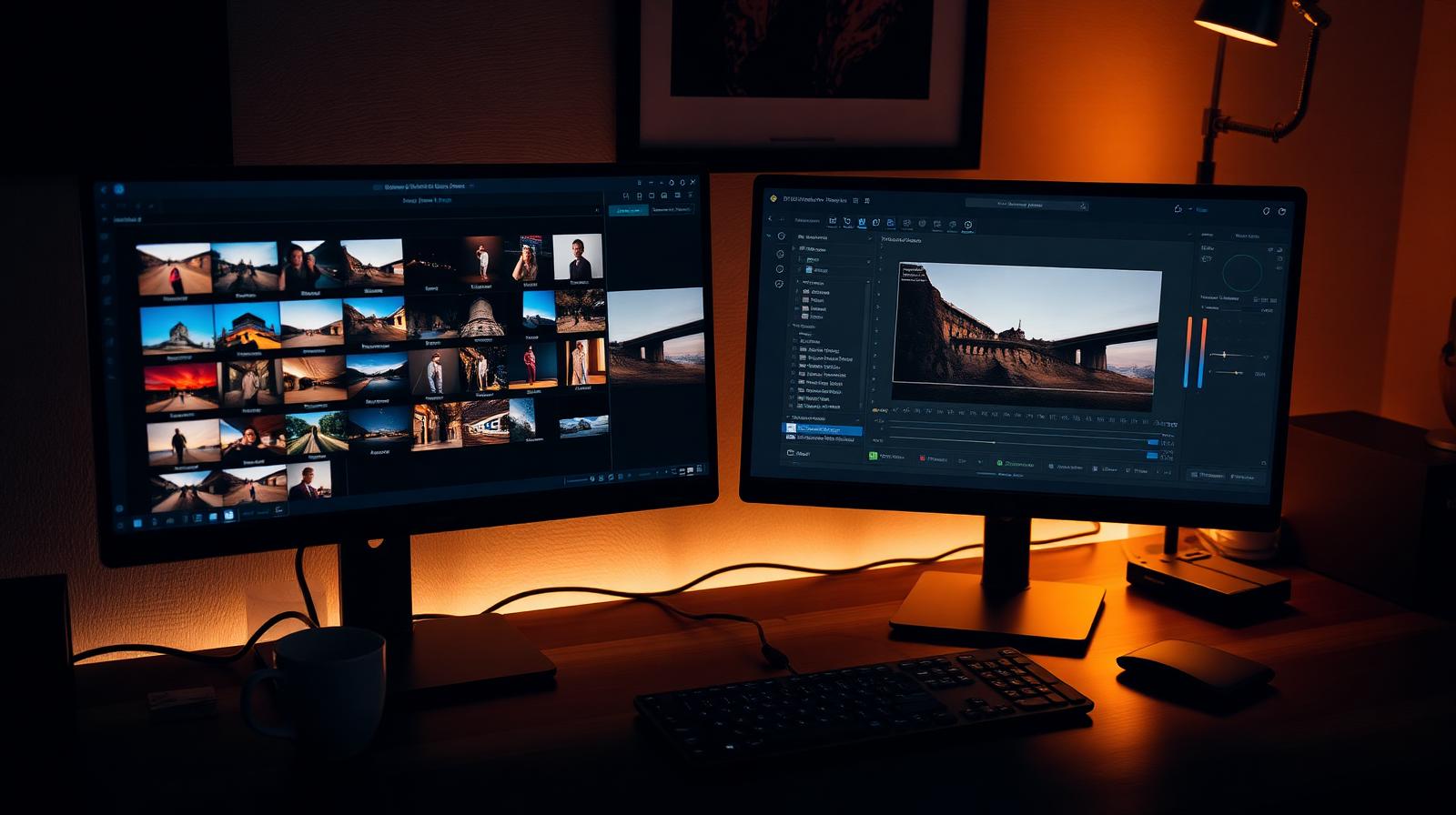
Lightroom Classic, Lightroom, Photoshop, and 20GB of cloud storage for $9.99/month. We tested whether it's still the right starting point in 2026.