Samsung Galaxy S25 Ultra Camera Review: 200MP Meets Dual Telephoto
Samsung's dual-telephoto strategy — 3x and 5x prime focal lengths — plus a 200MP main sensor make the S25 Ultra the most versatile zoom phone you can buy.
Smartphone photography
The phones that earn their place in a photographer's pocket — real RAW pipelines, useful telephotos, and computational processing that doesn't ruin the file.
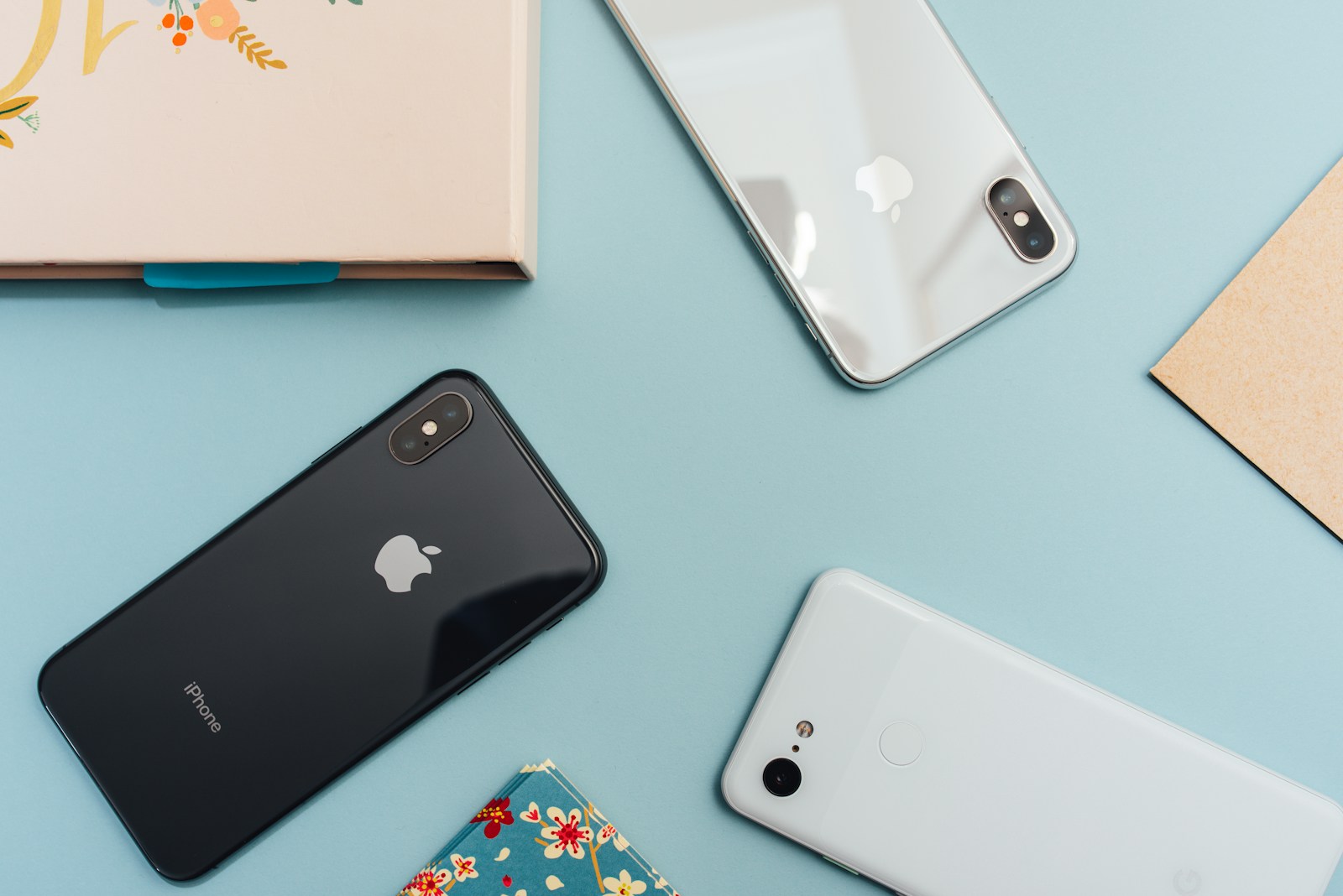
Samsung's dual-telephoto strategy — 3x and 5x prime focal lengths — plus a 200MP main sensor make the S25 Ultra the most versatile zoom phone you can buy.
Co-engineered with Leica, the 14 Ultra's 1-inch main sensor and stepless variable aperture deliver image quality that's genuinely closer to a compact camera than a phone.
Apple's tetraprism telephoto finally makes it to the smaller Pro, and the 48MP Fusion main sensor delivers the most natural color science of any phone in 2026.
Smaller sensors, smarter software. The Pixel 9 Pro's computational pipeline extracts more detail per pixel than any flagship — and Magic Editor is genuinely useful, not gimmicky.

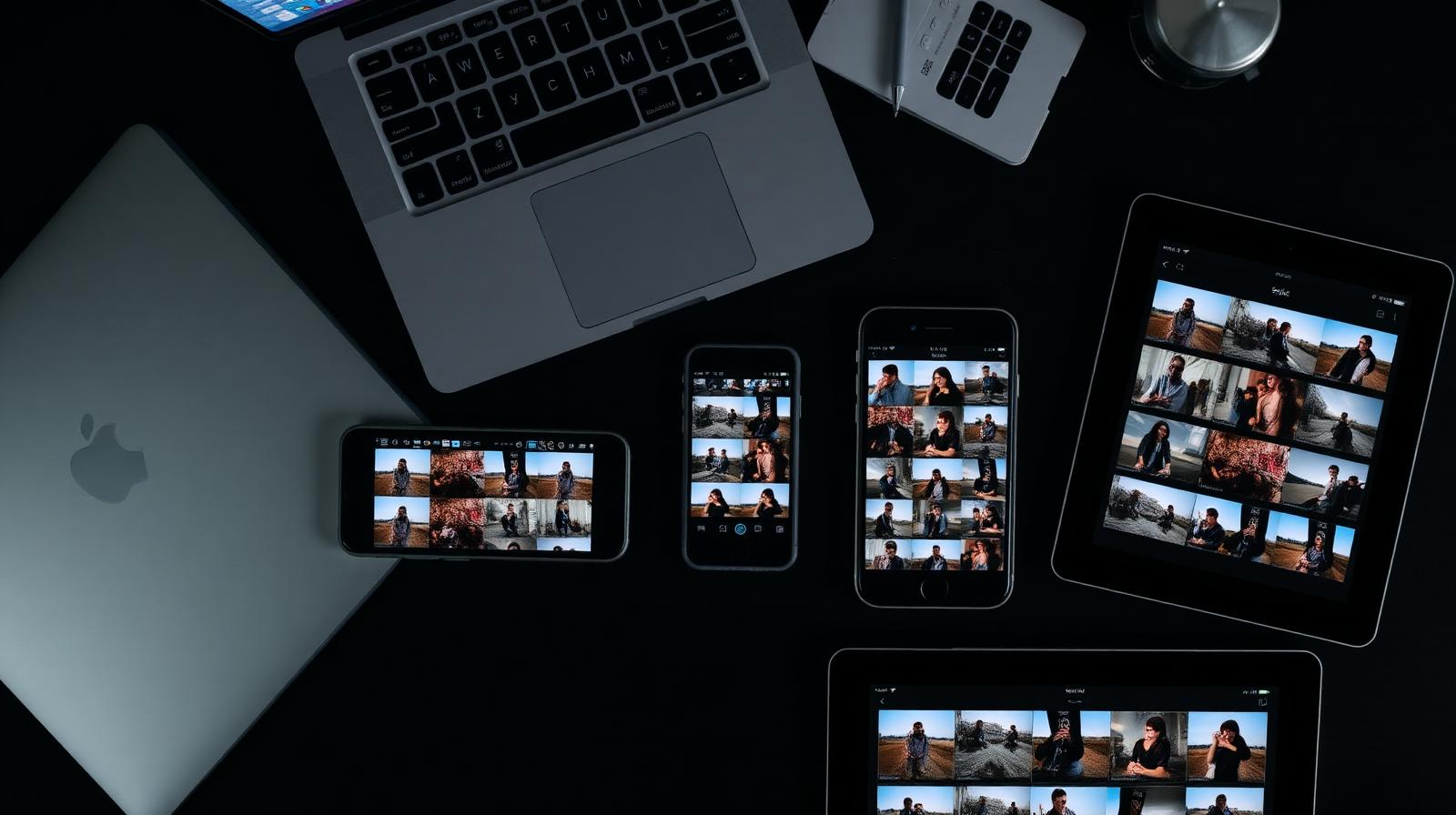
Mylio syncs your entire photo library across phone, laptop, and NAS without cloud lock-in. We tested it across 180,000 images.
A 130-inch virtual screen on your face for under $500. The Xreal Air 2 Pro is finally the AR product worth recommending.
A directional shotgun mic, mini tripod, soft light, and cold-shoe mount in one box. If you're starting a YouTube or TikTok channel, this is the kit.
A pocketable 16MP point-and-shoot with 5x optical zoom for under $150. Here's what you actually get for the money.
Dimmable bi-color LEDs, phone and camera mounts, and a price that undercuts the premium brands by half. The starter ring light to beat.
3-axis stabilization, magnetic clamp, built-in extension rod, and ActiveTrack 5.0. Your phone's camera was always good — now it's actually steady.
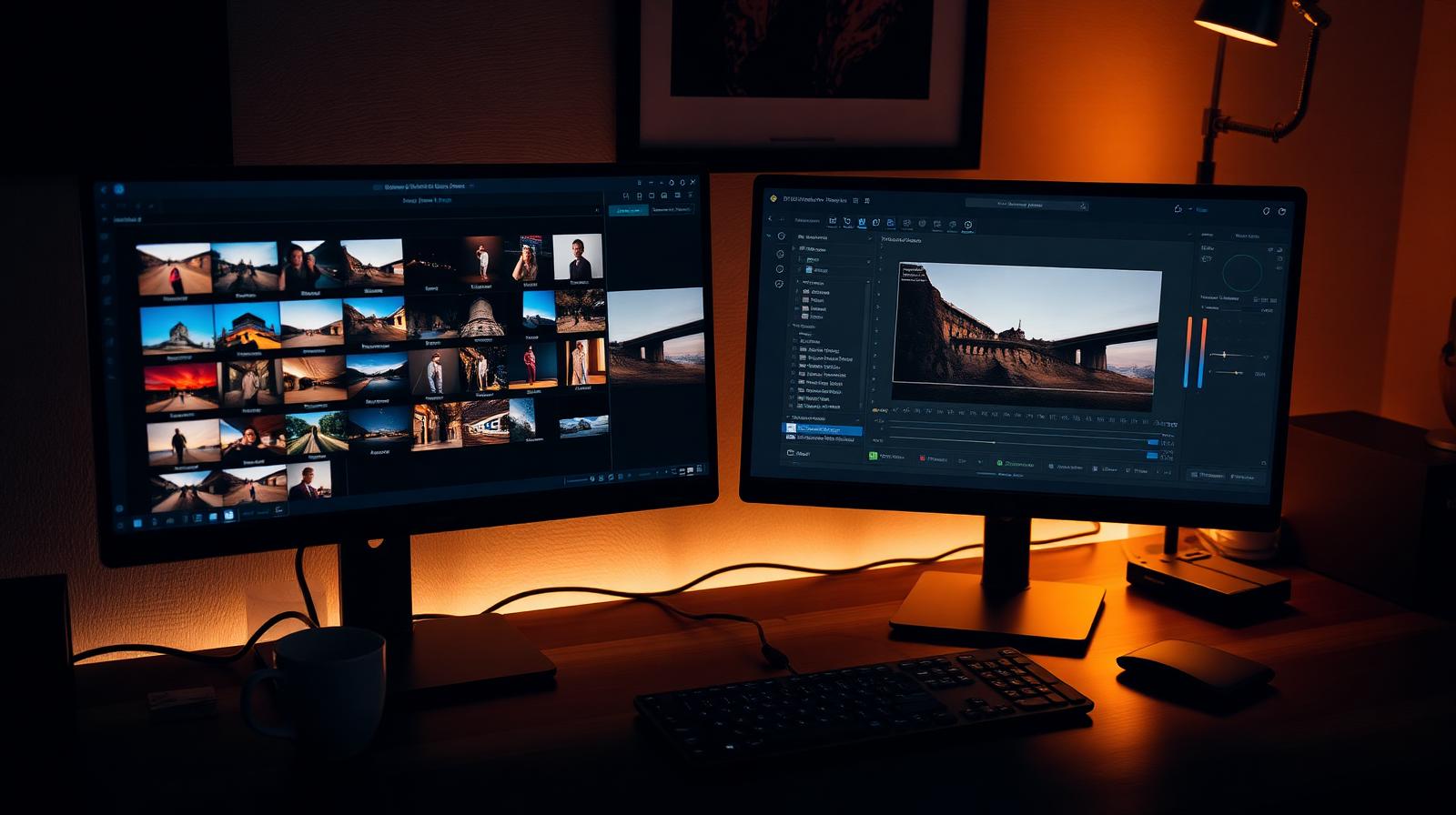
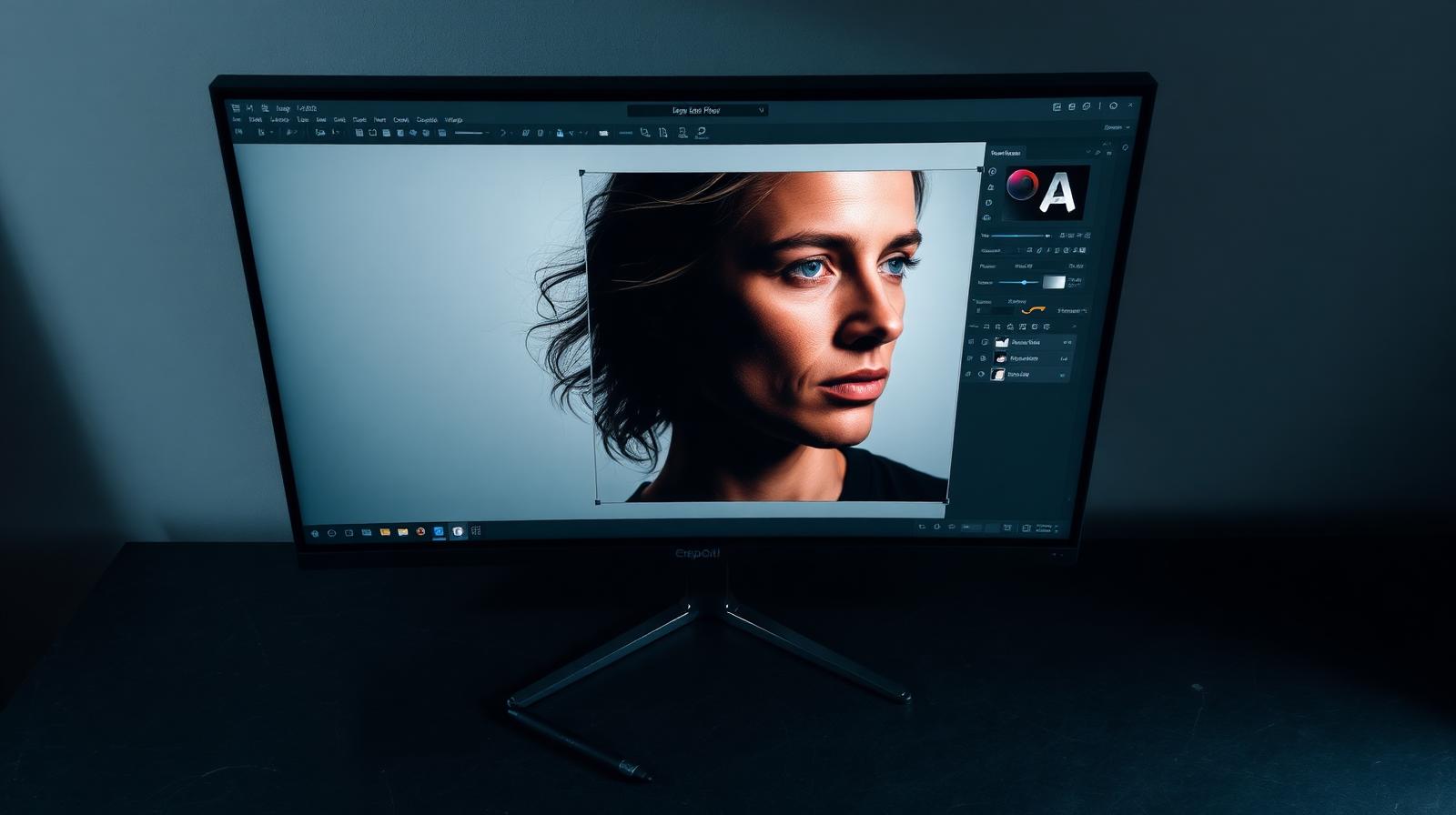
Lightroom Classic is still the default — but Capture One, Affinity Photo, and DxO PhotoLab all have a real case in 2026. Here's how to pick.
The three biggest names in consumer smart glasses go head-to-head. Which is best for you?
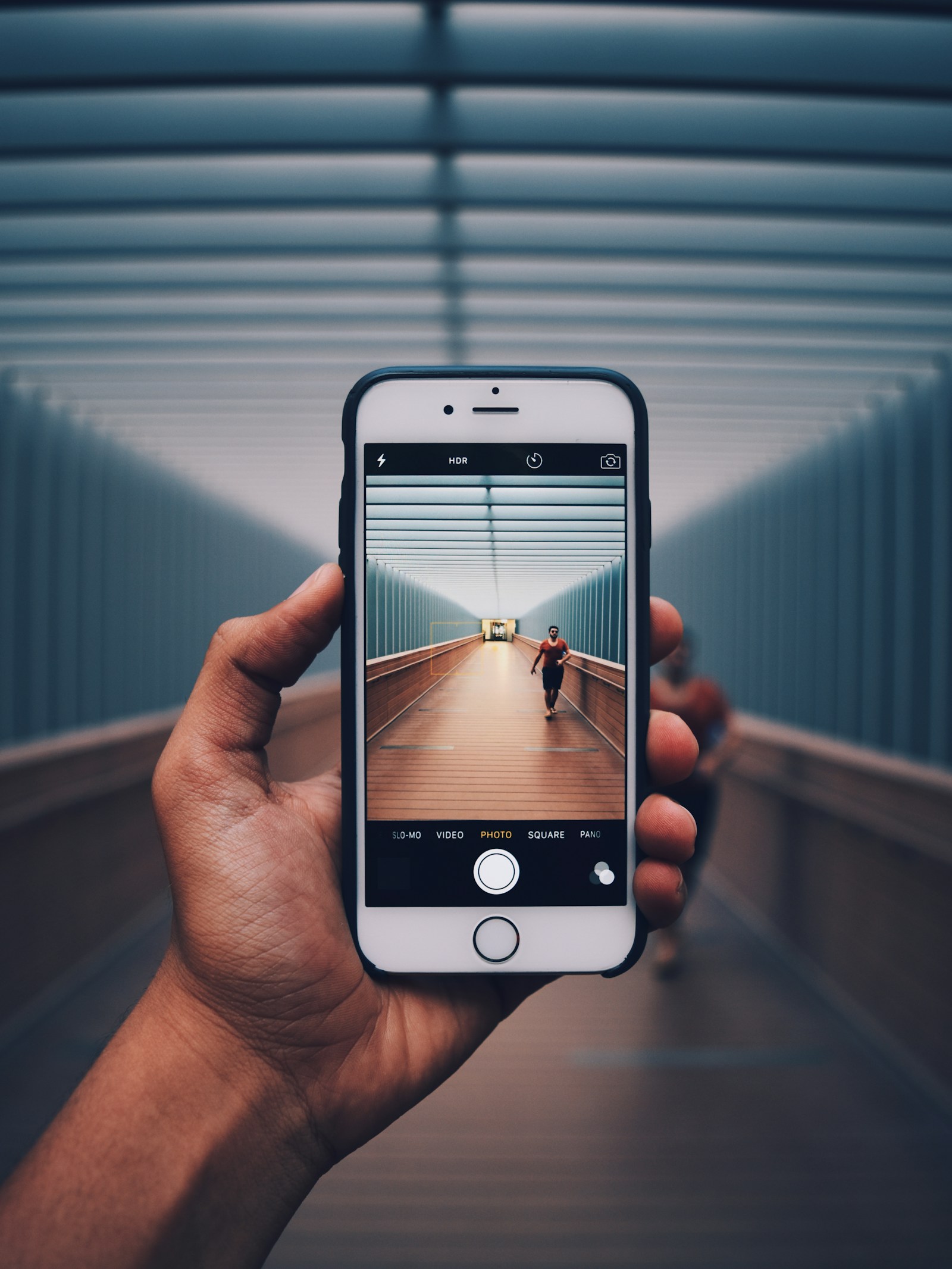
Phones now beat dedicated compacts in most lighting. The gap closes on telephoto, low light, and any time you want creative control over depth of field — but the gap that used to be a chasm is now genuinely small.
We test phone cameras the way photographers actually use them: in RAW with a real edit, not the AI 'enhance' button.
One email when we publish. No spam.