DxO PureRAW & PhotoLab review: the RAW quality benchmark
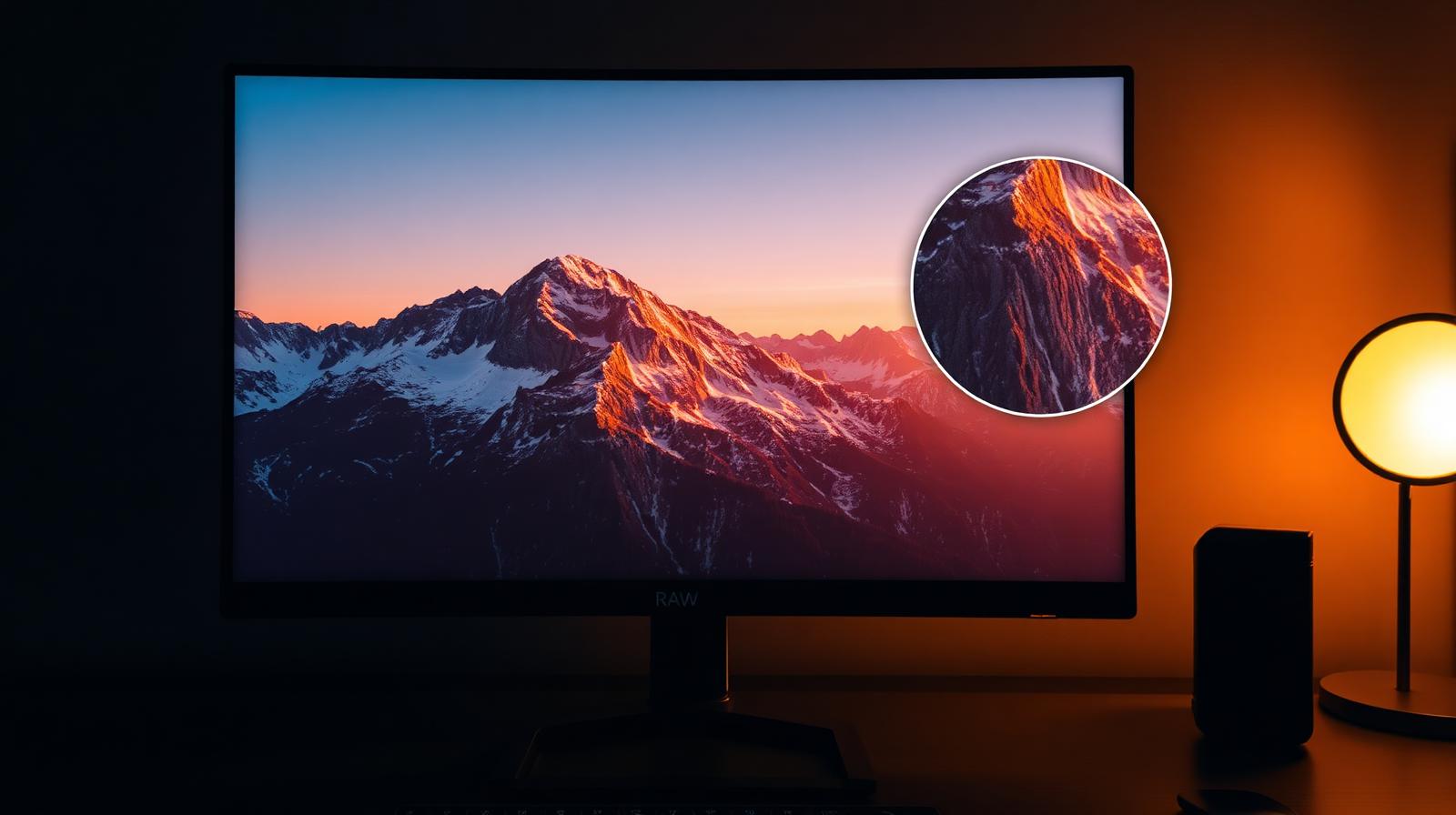
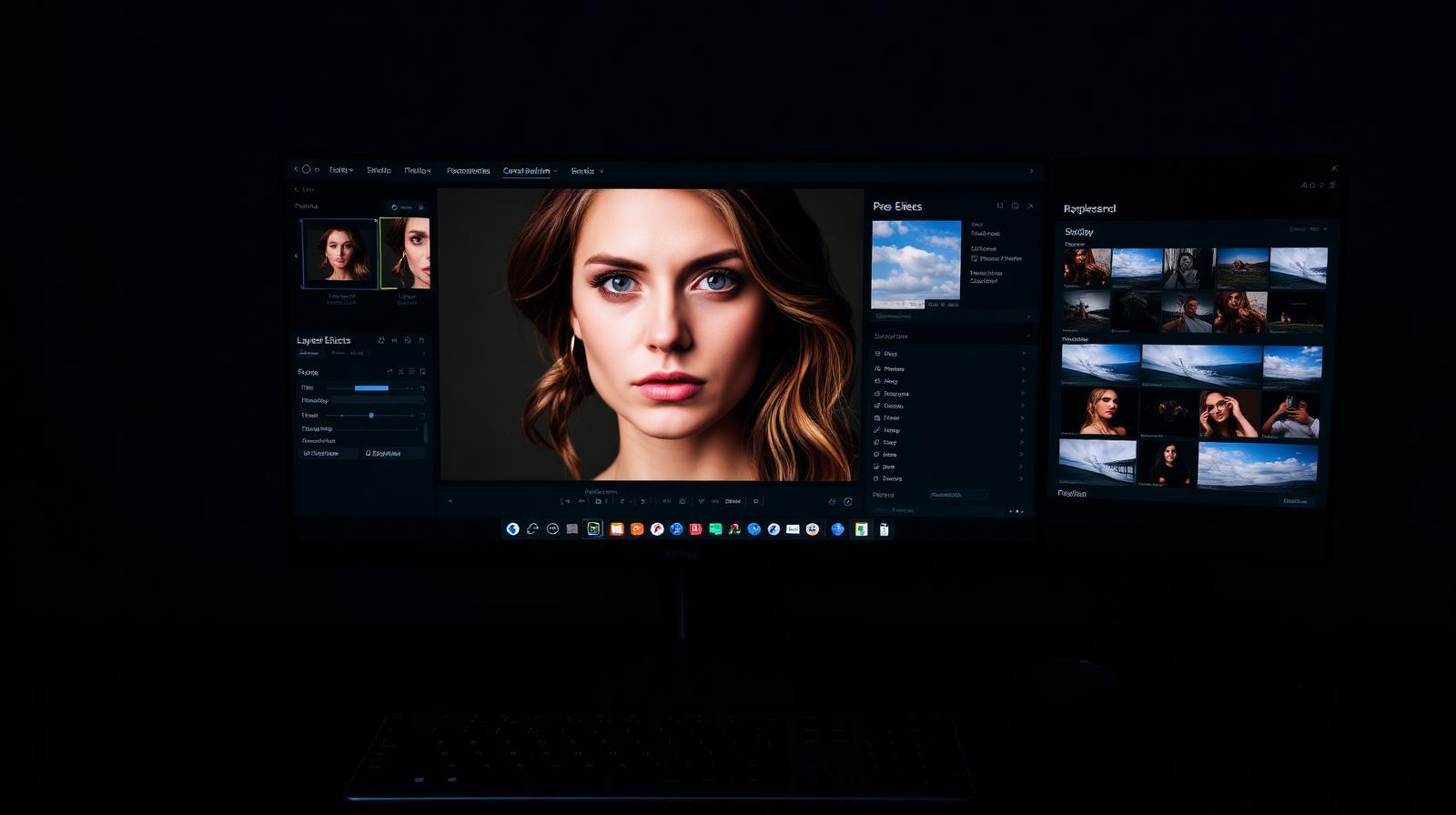
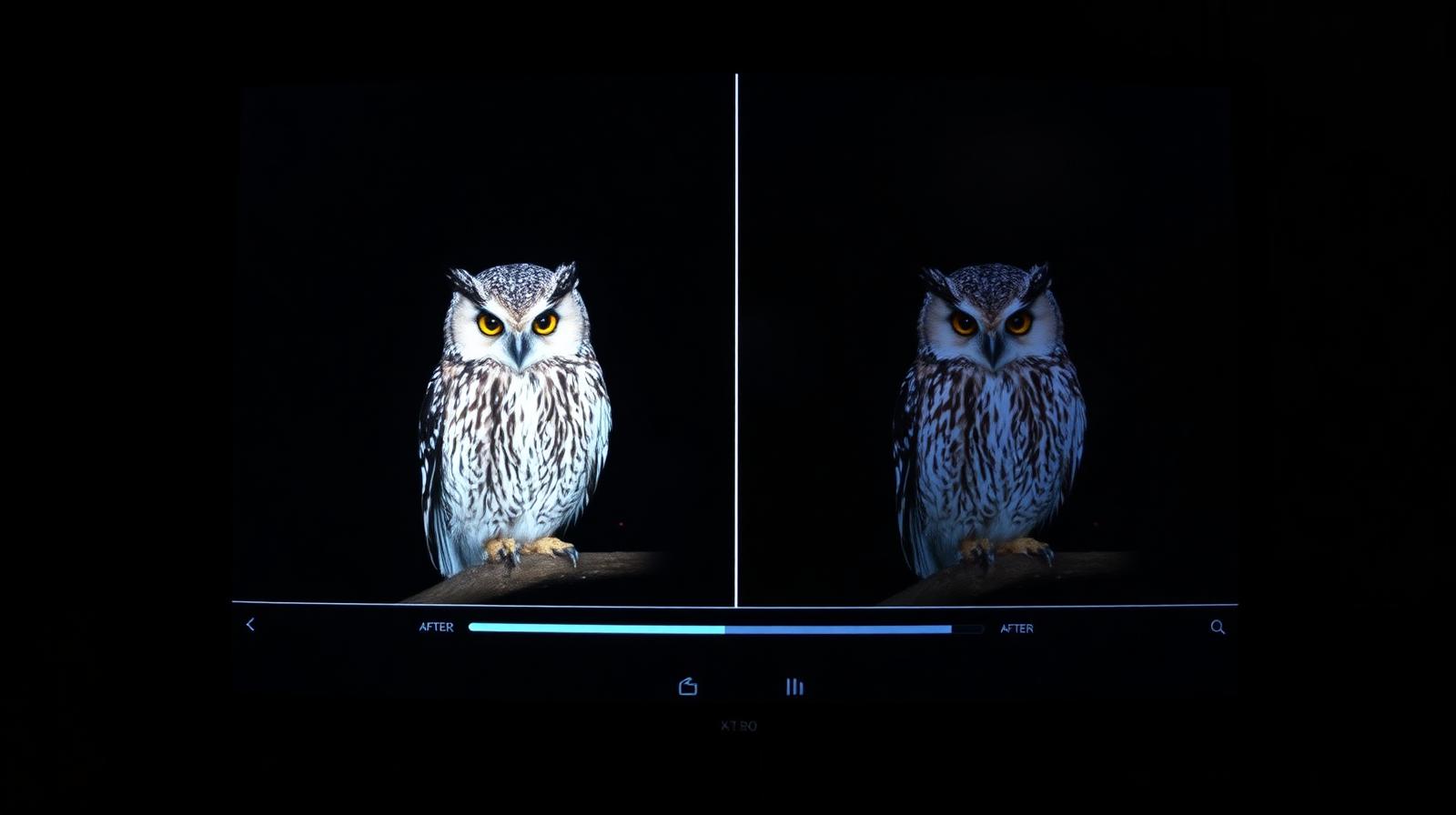
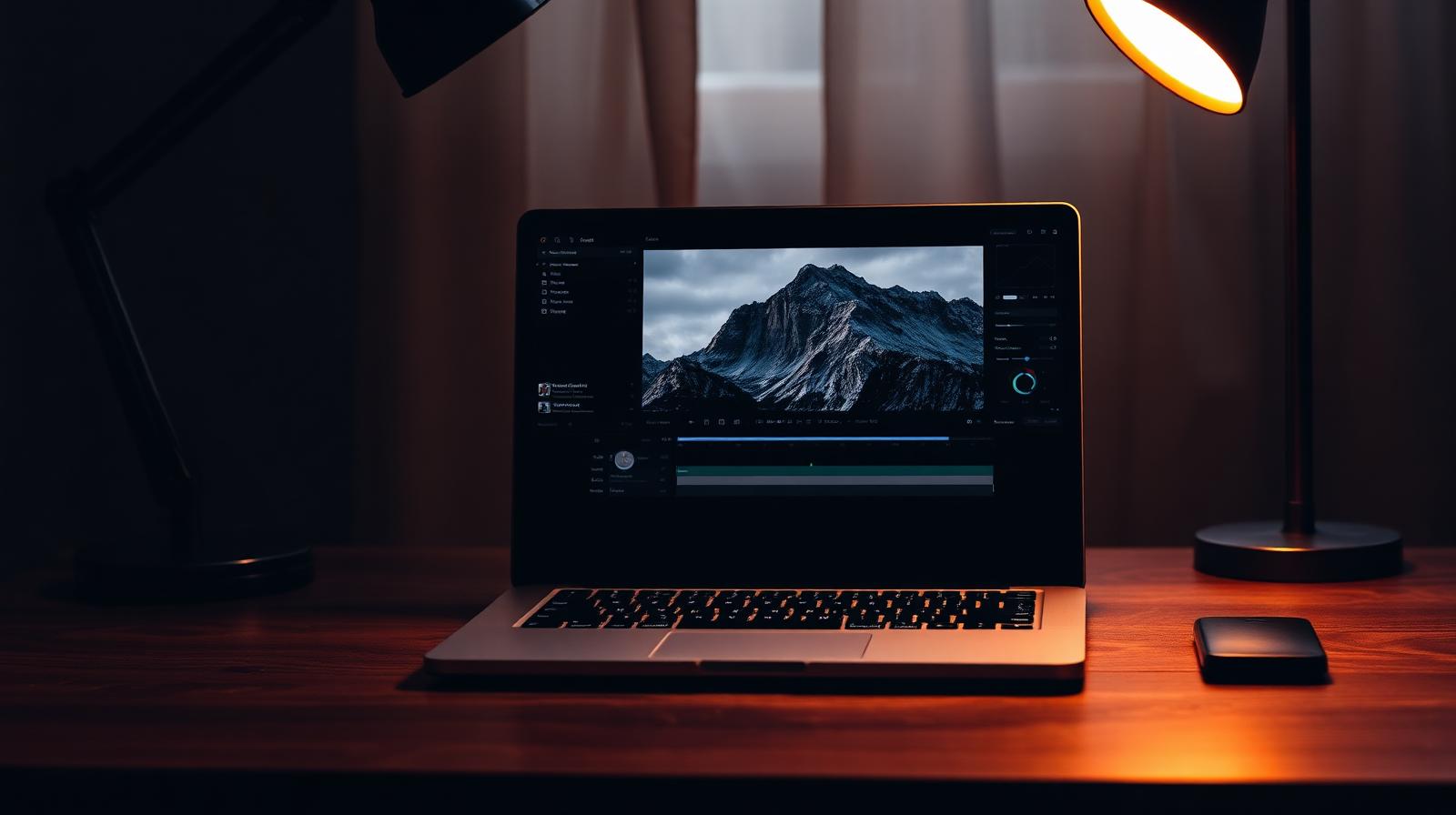
DxO's DeepPRIME XD noise reduction and lens corrections set the bar for RAW image quality. We tested PureRAW as a pre-processor and PhotoLab as a full editor.
Low-light photography
Cameras that hold up when the sun goes down — high ISO performance, wide-aperture compatibility, and stabilization that earns its keep at night.

DxO's DeepPRIME XD noise reduction and lens corrections set the bar for RAW image quality. We tested PureRAW as a pre-processor and PhotoLab as a full editor.
Samsung's dual-telephoto strategy — 3x and 5x prime focal lengths — plus a 200MP main sensor make the S25 Ultra the most versatile zoom phone you can buy.

Topaz Photo AI bundles three of the best AI image tools into one $199 perpetual app. It's slower than Lightroom's built-in Denoise, but the recovery from genuinely broken files is still unmatched.
Magnetic lens mods, longer battery, and the same rugged 5.3K image. GoPro's most refined Hero yet.
Co-engineered with Leica, the 14 Ultra's 1-inch main sensor and stepless variable aperture deliver image quality that's genuinely closer to a compact camera than a phone.
Apple's tetraprism telephoto finally makes it to the smaller Pro, and the 48MP Fusion main sensor delivers the most natural color science of any phone in 2026.
Smaller sensors, smarter software. The Pixel 9 Pro's computational pipeline extracts more detail per pixel than any flagship — and Magic Editor is genuinely useful, not gimmicky.
The redesigned 16-55 finally adds OIS and trims weight, making it the obvious choice for Fuji X shooters.
A lighter, sharper, faster-focusing 50mm GM that finally gives Sony shooters the no-compromise nifty-fifty they've been waiting for.
Lighter than the original by nearly 30%, faster-focusing, and visibly sharper. The new telephoto zoom to beat.
A directional shotgun mic, mini tripod, soft light, and cold-shoe mount in one box. If you're starting a YouTube or TikTok channel, this is the kit.
40MP, IBIS, and a fixed 35mm-equivalent lens in a camera the size of a paperback. There's a reason the waitlist is six months long.
Tamron's second-gen 28-75 is the lens to beat under $1000. Fast, sharp, and shockingly light.
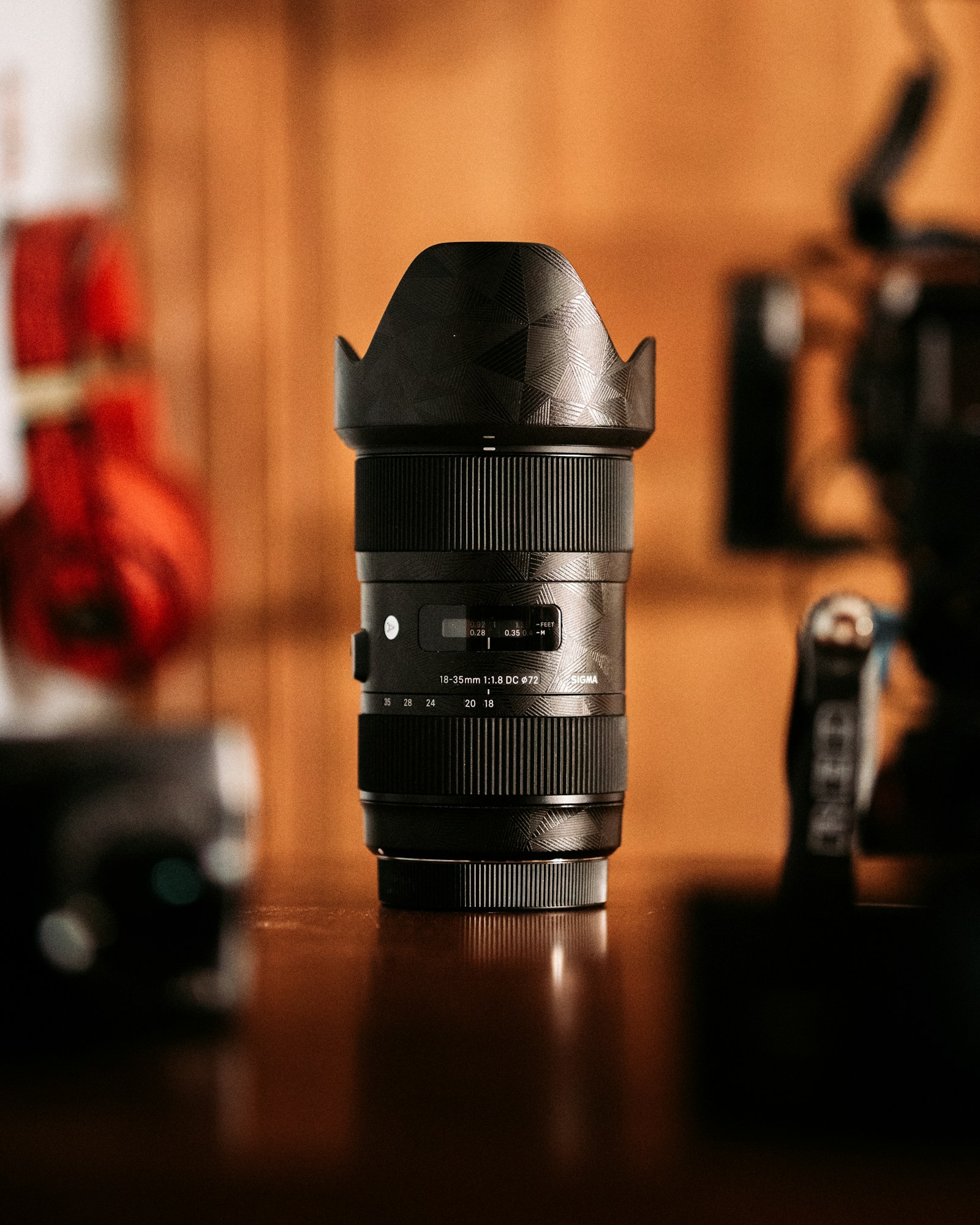
Sigma's Art-line redesign for mirrorless brings the 35mm classic into the modern era at a price that undercuts the first-party options.
A pocketable 16MP point-and-shoot with 5x optical zoom for under $150. Here's what you actually get for the money.
Canon's flagship RF standard zoom adds image stabilization to a tried-and-true focal range. Worth the upgrade for working pros.
40MP, IBIS, and tactile dials in a camera small enough to take everywhere. The X-T5 is the photographer's photography camera.
3-axis stabilization, magnetic clamp, built-in extension rod, and ActiveTrack 5.0. Your phone's camera was always good — now it's actually steady.
A wildlife and sports lens that pairs reach with portability. The L-grade lens most Canon shooters should buy.
A portrait lens that punches well above its price. Sharp, fast, and a no-brainer for Z6/Z7/Z8 owners.
From the affordable 85mm f/1.8 to the dreamy 135mm GM, here are the portrait lenses worth your money on Sony E mount.
You don't need to spend $2000 to get pro-grade results. Here are the cheap primes punching way above their weight.
Lightroom Classic is still the default — but Capture One, Affinity Photo, and DxO PhotoLab all have a real case in 2026. Here's how to pick.
Our top picks for the lenses that will get you the sharpest, widest, most dynamic landscape images this year.
Discover the world of close-up photography without overspending. Our picks for the easiest, sharpest macro lenses to start with.
A complete buyer's guide to prescription VR lens inserts — for Quest 3, Quest Pro, PSVR2, and more.
The three biggest names in consumer smart glasses go head-to-head. Which is best for you?
New to AR? This is the only buying guide you need. We cover formats, brands, prices, and what to actually buy in 2026.
Sensor size is the headline, but pixel design and readout speed matter just as much. A modern full-frame stacked sensor will cream a high-megapixel APS-C body at ISO 12 800 every time.
Pair that with an f/1.4 prime or in-body stabilization and you can shoot handheld in venues a phone simply can't handle. We score every camera on real, dark-bar test scenes — not lab charts.
One email when we publish. No spam.